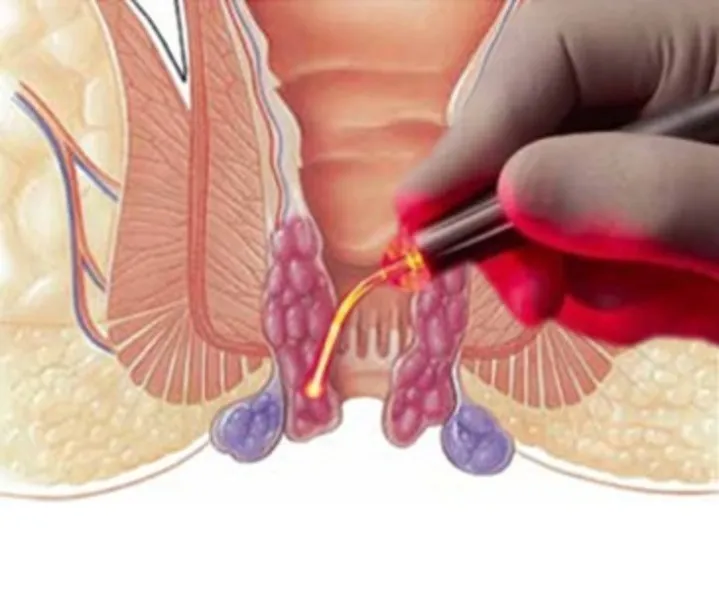
When an anal fissure repeatedly causes severe pain despite medication, dietary changes, and constipation management, patients naturally begin looking for longer-term treatment options. Laser fissure surgery may be considered in selected cases, but the decision should follow proper evaluation.
The first question is not whether laser treatment is available. It is whether the fissure has become chronic and whether procedural treatment is actually required.
When Does a Fissure Become Chronic?
Acute fissures often develop after constipation or passing a hard stool and may heal with conservative management.
A fissure that persists, repeatedly reopens, or develops chronic changes can be more difficult to resolve.
Signs that further assessment may be needed include:
- Pain continuing for weeks
- Recurrent bleeding
- Severe pain after bowel movements
- Persistent muscle spasm
- Failure of prescribed conservative treatment
- Repeated fissure episodes
A surgeon may assess these factors before discussing procedural options.
Conservative Treatment Still Matters
Even when surgery is being considered, bowel management remains important.
Patients are generally encouraged to keep stools soft by consuming adequate fibre and fluids and avoiding excessive straining. Ignoring constipation can contribute to postoperative discomfort and recurrence.
What Should Patients Ask Before Surgery?
Rather than focusing only on the technology used, ask practical questions:
- Is the fissure acute or chronic?
- Why is surgery recommended?
- Which procedure is suitable for my condition?
- What should I expect during recovery?
- How should constipation be managed afterward?
- When can normal work and exercise resume?
These questions provide a clearer picture of treatment than simply comparing procedure names.
At Dr Khyati Shroff Surgical Clinic - Laser Proctocare, evaluation can help determine whether continued medical management or a surgical approach is appropriate based on clinical findings.
Planning Treatment in Central Mumbai
Patients travelling from Mahalaxmi, Mumbai Central, Lower Parel and nearby areas of Mumbai, Maharashtra may also want to consider the practical side of recovery, including follow-up appointments and temporary changes to work or travel routines.
The recovery period differs between patients and procedures. Following prescribed medication, maintaining hygiene, keeping stools soft, and attending follow-ups can all contribute to smoother healing.
Laser techniques have expanded the treatment options available for chronic fissures, but technology should not be the sole reason for choosing a procedure. Appropriate diagnosis, patient selection, constipation control, and postoperative care remain central to achieving a good clinical outcome.
Keywords