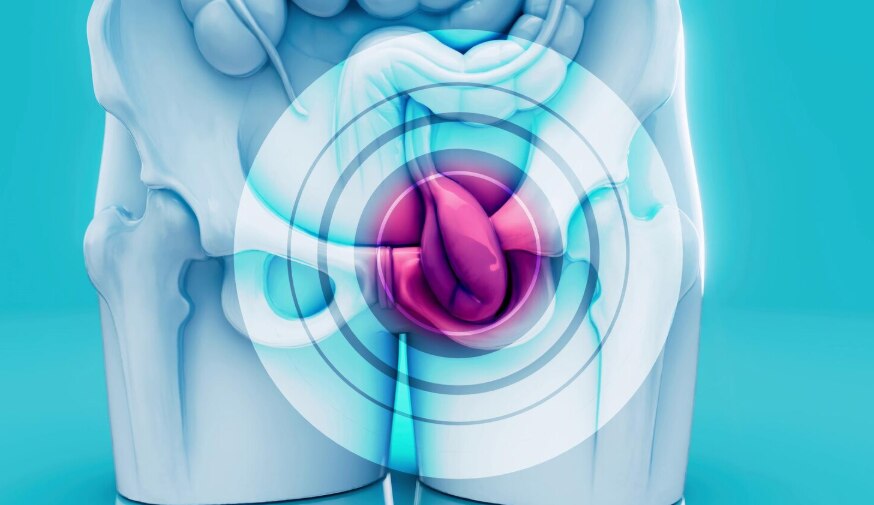
A recurring opening, pus, blood, or swelling beside the anus needs a proper diagnosis before you compare laser packages or book surgery. You will be able to distinguish the condition, understand the likely cost pathway, compare treatment choices, and prepare questions for a specialist near Parel.
Key takeaways
- Confirm the fistula tract and internal opening before choosing laser treatment.
- Request an itemised quote covering surgeon, hospital, anaesthesia, imaging, and follow-up fees.
- Compare laser closure with fistulotomy, seton, LIFT, and flap surgery.
- Choose a specialist near Parel who explains continence risks and recurrence management.
Is the recurring swelling really an anal fistula?
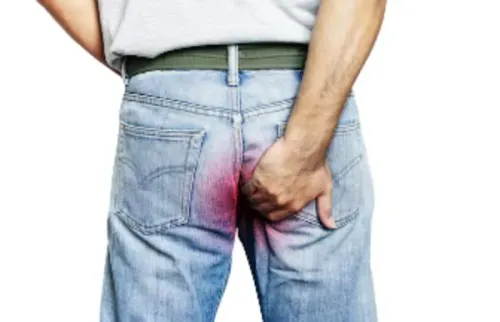
A recurring swelling may be an anal fistula: an abnormal tunnel connecting the anal canal or rectum to the skin. It often remains after a perianal abscess drains, leaving a tract that periodically blocks, swells, and releases fluid.
Seek prompt review from a fistula specialist near Parel if you notice a recurring opening near the anus, pus or blood drainage, foul-smelling discharge, swelling that repeatedly settles, fever, or worsening pain. A painful, fluctuant lump with fever points more strongly to an active perianal abscess—a collection of infection that usually needs urgent drainage.
Do not wait while comparing laser fistula surgery cost in Mumbai.
| Condition | What it means | Typical clue |
|---|---|---|
| Anal fistula | Tunnel from the anal canal or rectum to skin | Recurrent opening and discharge |
| Perianal abscess | Painful collection of infection | Rapid swelling, severe pain, fever |
| Anal fissure | Tear in the anal lining | Sharp pain during bowel movements |
| Piles | Swollen haemorrhoidal blood vessels | Bleeding, lump, itching |
| Pilonidal sinus | Tract in the cleft near the tailbone | Drainage higher in the cleft |
| Crohn’s-related fistula | Fistula linked to inflammatory bowel disease | Multiple openings or recurrent disease |
Crohn’s-related disease needs assessment of the underlying inflammation, not just treatment of the skin opening. Persistent discharge or a new opening after healing also warrants examination.
How does a specialist confirm the tract and decide whether laser is suitable?
The diagnosis comes before the device. A specialist must locate the internal opening, trace any branches, and assess how much anal sphincter the tract crosses before recommending laser fistula treatment near Parel.
1. Medical history covers previous abscess drainage, operations, recurrence, Crohn’s disease, diabetes, smoking, medicines, continence, and symptoms such as discharge or swelling.
2. Inspection identifies the external opening, scars, skin inflammation, and drainage. A digital rectal examination assesses tenderness, induration, sphincter tone, and a possible internal opening; anoscopy is added when the anal canal needs direct viewing.
3. Pelvic MRI is useful for high, branching, recurrent, or complex fistulas because surface inspection can miss secondary extensions. Endoanal ultrasound can map the tract and show its relationship to the sphincter.
4. Examination under anaesthesia is appropriate when pain prevents an adequate examination or the internal opening remains uncertain. It lets the surgeon probe safely without causing unnecessary pain and drain an abscess if present.
FiLaC, or fistula-tract laser closure, is a technique, not a diagnosis. It suits selected sphincter-preserving cases. Complex, high, branching, recurrent, actively abscessed, Crohn’s-related, or sphincter-involving fistulas may need a draining seton, staged treatment, fistulotomy, LIFT, flap, or another operation instead.
Ask for the surgeon’s own healing and recurrence results, how continence is assessed, and the backup plan if the opening cannot be found or the tract returns. Also ask whether the proposed laser targets a simple low tract or complex disease.
What does laser fistula surgery cost in Mumbai, and what should the quote include?
Mumbai has no single regulated price for laser fistula surgery. A search for laser fistula surgery cost in mumbai can show a headline package that excludes the diagnostic work-up, extra tracts, infection treatment, or a second operation. Request a dated, itemised written estimate before comparing clinics.
| Quote item | What the estimate should state | Why it can change |
|---|---|---|
| Consultation and examination | Surgeon consultation and physical examination | Complex findings need more assessment |
| Imaging and mapping | Pelvic MRI or other imaging; anoscopy or examination under anaesthesia | High, branching, or recurrent tracts need clearer mapping |
| Procedure fees | Surgeon, anaesthetist, disposable laser fibre, and operating-room charges | Hospital requirements and equipment vary |
| Aftercare | Day-care or hospital stay, medicines, dressings, and follow-up visits | Inpatient care costs more than planned day-care |
| Additional treatment | Seton placement if required, abscess management, recurrence treatment, or a second-stage procedure | Staged care is common when the tract is complex |
The main cost drivers are simple versus complex anatomy, branching or recurrent disease, sphincter involvement, active infection, diabetes, Crohn’s disease, and the hospital’s admission requirements. A seton or staged treatment can make the final bill very different from the first package price.
Compare the total expected care, not the lowest advertised figure. Ask which exclusions create an additional bill, including MRI, pathology, infection treatment, overnight admission, repeat procedures, and follow-up after recurrence. Also ask whether the estimate changes if the internal opening or additional branches are found during examination under anaesthesia.
How do laser closure, fistulotomy, seton, LIFT, and flap surgery compare?
No option wins for every fistula. The choice depends on tract height, branching, infection, previous operations, and how much sphincter muscle it crosses.
| Option | Main advantage | Main limitation |
|---|---|---|
| Fistulotomy | Reliable healing for a suitable low tract | Divides fistula-bearing tissue and becomes less suitable as more sphincter is crossed |
| Loose seton | Keeps an infected or complex tract draining; may prepare it for later surgery | Usually controls drainage rather than curing the fistula alone |
| LIFT | Preserves the sphincter through an internal tract approach | Technical execution matters, and recurrence remains possible |
| Advancement flap | Covers the internal opening while preserving muscle | More technically demanding, with recurrence and healing trade-offs |
| FiLaC laser closure | Sphincter-preserving tract treatment | Published healing and recurrence results vary with anatomy, prior operations, follow-up length, and staged treatment |
Before treatment, follow the clinic’s bowel-preparation instructions and disclose medicines, diabetes, and prior surgery. Anaesthesia is selected for the procedure. During treatment, the surgeon identifies the tract and internal opening, then withdraws a laser fibre to seal the tunnel; a seton or staged operation may be needed.
Afterward, expect drainage from the external opening, prescribed pain medicine, warm baths, stool-softening medicine, fibre, and adequate fluids. Return to work and driving only when pain, alertness, and movement make them safe. Delay strenuous exercise and sexual activity that causes pressure or pain until healing; follow your surgeon’s specific restriction.
Seek urgent medical advice for:
- Fever, increasing pain, urinary difficulty, heavy bleeding, or spreading redness
- A wound that stops draining, persistent discharge, or a new external opening
How can you choose a fistula treatment clinic near Parel?
Choose a fistula specialist near Parel by credentials and decision-making, not by the word “laser.” Ask for recognised surgical qualifications and specific experience with anal fistula, recurrent disease, MRI interpretation, examination under anaesthesia, setons, fistulotomy, LIFT, advancement flaps, and other sphincter-preserving approaches.
Ask these questions:
- Is the target a low, simple tract or a high, branching, recurrent, or complex tract?
- What exact procedure is proposed, and what are your own healing and recurrence rates?
- How will you assess continence, and what is the documented backup plan if the internal opening is missed or the tract returns?
| Procedure | Main trade-off | Question to clarify |
|---|---|---|
| Fistulotomy | Reliable for suitable low tracts; divides fistula-bearing tissue | How much sphincter is crossed? |
| Seton | Keeps an infected or complex tract draining; may be staged | Is it loose, and what follows? |
| LIFT or advancement flap | Preserves sphincter; healing and recurrence vary | Why this option for my anatomy? |
| Laser tract closure | Sphincter-preserving; results depend on anatomy and follow-up | What happens if it fails? |
Dr Khyati Shroff Surgical Clinic -laser Proctocare can be considered for a local consultation, but choose on examination, imaging, transparent costing, continence concerns, and documented backup planning. Disclose diabetes, smoking, immunosuppression, previous surgery, or poor healing; each can alter treatment and follow-up.
A search for a fistula treatment clinic near me should end in urgent care, not price comparison, when fever and a painful fluctuant swelling suggest an abscess.
Related service
Laser Fistula Treatment – Service Description Laser Fistula Treatment is an advanced, minimally invasive procedure used to treat anal fistula with greater... View service → |
Frequently asked questions
How can you tell whether recurring swelling is an anal fistula?
A fistula often causes repeated swelling near the anus, pain, and drainage after a perianal abscess. A surgeon confirms the diagnosis by examining the external opening and looking for the internal opening and tract. Recurrent symptoms can also have other causes, so do not self-diagnose.
How does a specialist decide whether laser fistula treatment is suitable?
The specialist maps the tract, assesses whether it crosses the anal sphincter muscles, and checks for branching, abscess, or inflammatory bowel disease. Examination under anaesthesia, MRI pelvis, or endoanal ultrasound may be used. Laser closure is not the best choice for every complex or branching fistula.
What does laser fistula surgery cost in Mumbai?
The cost depends on the fistula’s complexity, imaging, hospital and operating-room fees, anaesthesia, surgeon’s charges, and follow-up care. Ask for a written, itemised quote that states what is included and lists possible extra charges for drainage, additional procedures, or overnight admission.
How do laser closure, fistulotomy, seton, LIFT, and flap surgery differ?
Fistulotomy opens the tract and suits selected superficial fistulas but cuts some tissue. Laser closure seals the tract while preserving more sphincter tissue, though recurrence remains possible. A seton keeps a tract draining, LIFT divides and closes it between sphincter layers, and a flap covers the internal opening when cutting the sphincter is unsafe.
Keywords