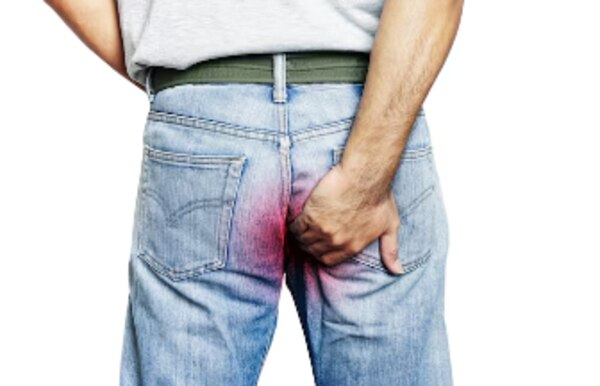
A tailbone lump that repeatedly swells, bursts, and settles may be a pilonidal sinus, but it can also be an abscess, infected cyst, hidradenitis, or another condition. By the end, you will know which symptoms need prompt assessment, how laser ablation differs from drainage and flap surgery, what recovery involves, and what to ask before choosing treatment.
Key takeaways
- Recurrent midline pits, discharge, or swelling need examination to confirm pilonidal disease.
- An abscess usually needs incision and drainage before definitive sinus treatment.
- Compare downtime, wound care, recurrence planning, and every item in the written estimate.
- Keep the cleft dry and follow the clinic’s hair-removal and hygiene instructions after treatment.
Is Recurrent Tailbone Swelling a Pilonidal Sinus or Something Else?
A pilonidal sinus is a pit or tunnel in the natal cleft near the tailbone. Trapped hair and skin debris, plus friction and moisture, can keep the tract inflamed. Repeated swelling deserves examination when you have:
- Pain while sitting
- Redness, warmth, or tenderness
- Foul-smelling drainage or bleeding
- Fever
- One or more visible midline openings
- A lump that repeatedly bursts and settles
- Rapidly worsening pain or swelling
- Spreading redness, chills, faintness, or inability to sit
A recurrent lump is not automatically pilonidal disease. An ordinary boil usually resolves without a persistent midline pit; a lipoma is a soft, non-infected fatty lump; and an infected epidermoid cyst has a capsule that can refill after drainage.
Hidradenitis suppurativa causes recurring nodules in several friction areas, while Crohn-related or perianal disease can form fistulas near the anus. Rarely, an ulcerated or persistent mass represents malignancy.
A pilonidal cyst doctor in Mumbai usually confirms the diagnosis by inspecting and palpating the cleft, openings, drainage, nearby skin, and anus. Ultrasound can help define a fluid collection; MRI is useful for deep, branching, recurrent, or atypical disease, or when Crohn-related or perianal disease is suspected.
Biopsy or another test may be needed for a firm, unusual, or non-healing mass. Home drainage and repeated antibiotics do not remove the underlying tract, even after the swelling temporarily settles. Seek urgent care for the warning signs above.
What Happens When the Sinus Is Acutely Infected?
A tense, fluctuant, painful lump is an acute abscess, and incision and drainage usually provides the needed relief by emptying trapped pus. Antibiotics alone cannot drain an abscess; add them when cellulitis is spreading, you have systemic illness, or you are in a selected high-risk group.
Definitive sinus treatment is usually discussed after the acute inflammation settles. Laser ablation, often called SiLaC, places a fibre into a mapped sinus tract and destroys or cauterises its lining from inside. The surgeon may preserve the pits or open them, depending on the named technique; hair, debris, and infected tissue still need appropriate clearance.
Laser is not one operation:
| Procedure | What it does | What it does not do |
|---|---|---|
| Laser ablation or SiLaC | Uses a fibre inside the mapped tract | Does not replace drainage of a large acute abscess |
| Endoscopic pilonidal treatment | Uses a camera and instruments to inspect and treat the tract | Is not the same as fibre-based laser ablation |
| Laser hair removal | Reduces hair as a preventive measure | Does not remove an established sinus tract |
People searching for laser pilonidal sinus treatment in Mumbai should ask:
- Is the plan local, spinal, or general anaesthesia?
- Which exact technique will you use, and will pits be preserved or opened?
- How will you clear hair, debris, and infected tissue?
- What will you do if the tract cannot be fully accessed or mapped?
When Is Laser Better Than Drainage, Excision, or Flap Surgery?
Laser ablation is most plausible for a chronic, non-abscess tract that the surgeon can map and reach through a small opening. It is not automatically better than an off-midline flap for extensive or recurrent disease.
| Option | Best fit | Wound and work burden | Main trade-off |
|---|---|---|---|
| Incision and drainage | Tense abscess with trapped pus | Small opening; short-term dressing care | Relieves infection but usually does not remove the sinus, so recurrence and later surgery remain possible |
| Pit-picking | Few pits and a short, limited tract | Small wounds, lighter dressing needs, often less time away from work | Poor fit for large cavities, branches, scarring, or recurrent extensive disease |
| Laser ablation | Mapped chronic tract without active abscess | Small wound and less dressing work than wide excision | Incomplete access can leave disease behind; reoperation risk is uncertain |
| Wide excision, open healing | Broad or complex disease needing skin removal | Larger wound, frequent dressings, and longer wound-care period | Healing takes longer and work disruption can be substantial |
| Midline closure | Excision where open healing is being avoided | Less open-wound care | Midline wounds face more breakdown and recurrence concerns than off-midline closure |
| Bascom cleft lift, Karydakis, or Limberg flap | Large, branching, scarred, or recurrent disease | Larger operation, but closure is away from the cleft | More surgical recovery, yet often stronger wound and recurrence outcomes than midline closure |
Laser studies report favourable early recovery, but techniques vary, studies are small, and long-term follow-up is limited. If you are comparing pilonidal sinus surgery in Mumbai, ask for the named method, expected time off work, recurrence and reoperation figures, and the plan if the tract cannot be cleared.
What Should Recovery and Recurrence Prevention Look Like?
Many patients leave the same day after laser ablation or another limited procedure if pain is controlled, bleeding is minimal, and the anaesthesia team is satisfied. Larger excision or flap surgery may require an overnight stay. Your surgeon should give the exact schedule because wound size and closure method change recovery.
1. Keep the first dressing for the period written on your discharge sheet; this may be 24–48 hours or longer. Shower only when instructed, avoid soaking in a bath or swimming until the wound is closed, and replace dressings exactly as directed.
2. Avoid direct pressure on the cleft while healing. Sit briefly, change position often, and return to normal sitting as comfort allows. Desk work may be possible after a few days, while physically demanding work, cycling, running, and heavy lifting usually require longer clearance.
3. Drive only when you can sit comfortably, control the vehicle, and perform an emergency stop without hesitation. Take pain medicine exactly as prescribed; do not drive while affected by sedating medication.
4. Keep the natal cleft clean and dry, reduce sweating and friction, stop smoking if possible, and discuss weight and activity factors with your clinician. Do not shave an open wound: razor cuts, irritation, and ingrown hairs can worsen it.
5. Ask when trimming, a depilatory product, or clinician-directed laser hair reduction is safe. Report worsening pain, pus, fever, wound separation, or new swelling promptly.
A smaller wound does not remove the need for follow-up or eliminate recurrence. After previous surgery, scars, flap anatomy, openings, branches, and abscess status must be reassessed; recurrence does not automatically make laser the next treatment.
How Do You Choose a Mumbai Clinic and Compare the Written Estimate?
Choose a clinic by the method that fits your disease, not by the word “laser” in an advert. Ask the surgeon to name the exact procedure and explain how the number and position of openings, previous operations, scarring, recurrence history, and current inflammation affect the choice.
| Option | What it involves | Better fit |
|---|---|---|
| Laser tract ablation | Fibre destroys a mapped tract from inside | Chronic, reachable disease without a large abscess |
| Endoscopic treatment | Camera and instruments clear the tract | Selected disease that can be accessed through small openings |
| Pit-picking | Small openings remove pits and debris | Limited, uncomplicated disease |
| Excision | Removes sinus and surrounding tissue | Broad or branching disease |
| Bascom cleft lift | Moves closure away from the cleft | Recurrent or scarred disease |
| Limberg flap | Excision followed by off-midline flap closure | Extensive or recurrent disease |
Ask for expected time off work, dressing changes, and follow-up duration. Request published recurrence and reoperation figures, including the follow-up period; short follow-up can hide later failures. Ask what happens if the tract cannot be cleared and who will manage a recurrence.
Your written estimate should separate:
- Surgeon fee
- Operating-room or facility charge
- Local, spinal, or general anaesthesia
- Medicines and dressings
- Pathology if tissue is removed
- Follow-up visits
- Treatment of a later recurrence
Insurance depends on your policy and medical indication, so request preauthorisation. A consultation at Dr Khyati Shroff Surgical Clinic -laser Proctocare can assess the swelling and compare laser with non-laser options before you accept an estimate.
Related service
Laser Pilonidal sinus Treatment – Service Description Laser Pilonidal Sinus Treatment is a modern, minimally invasive procedure used to treat pilonidal sinus with minimal... View service → |
Frequently asked questions
How can you tell whether recurrent tailbone swelling is a pilonidal sinus?
Pilonidal disease often causes one or more midline pits in the natal cleft, recurring painful swelling, pus or blood-stained discharge, and tenderness near the tailbone. A doctor must examine the area because a skin abscess, infected cyst, hidradenitis suppurativa, fistula, or another lump can look similar.
What happens when a pilonidal sinus is acutely infected?
A painful, hot, fluctuant lump with pus indicates an abscess that usually needs incision and drainage. Antibiotics alone do not remove a closed collection of pus. Definitive treatment for the remaining sinus is planned after the acute inflammation settles, unless the surgeon recommends another approach.
When is laser pilonidal surgery preferable to excision or flap surgery?
Laser treatment suits selected patients with a confirmed sinus and limited tract disease. It uses a small access opening and aims to destroy the tract while limiting tissue removal. Wide excision or flap surgery can be more suitable for extensive, branching, deep, or repeatedly recurrent disease. A surgeon chooses after examining the pits, openings, abscess history, and prior operations.
How should you reduce recurrence after pilonidal sinus surgery?
Keep the natal cleft clean and dry, avoid prolonged pressure during early healing, attend wound reviews, and follow the prescribed hair-control plan. Do not shave or apply products to the wound unless instructed. Contact the clinic for increasing pain, fever, spreading redness, heavy discharge, or wound separation.
How do you compare a Mumbai clinic’s written pilonidal surgery estimate?
Check whether the estimate names the procedure, surgeon, anaesthesia, facility, tests, medicines, dressings, follow-up visits, and treatment of an abscess if one is found. Ask which items are excluded, whether recurrence or conversion to another procedure changes the fee, and what emergency contact you receive. Verify that the doctor examines you before recommending laser treatment.
Keywords