Gallstones are sometimes discovered unexpectedly during an ultrasound performed for another reason. In other people, they cause repeated attacks of upper abdominal pain, nausea or digestive discomfort. Consulting a Gall Stone Doctor can help determine whether the stones are likely to be responsible for the symptoms and whether treatment should be considered.
For patients in Byculla, Mumbai, Maharashtra, the important distinction is often between gallstones that are present without symptoms and gallstones that are causing clinical problems.
What Do Gallstones Feel Like?
Gallstone-related pain can occur in the upper right or upper central abdomen and may develop after meals in some patients. The discomfort may last for a period of time and can sometimes extend towards the back or right shoulder region.
Possible associated symptoms include:
- Nausea
- Vomiting
- Upper abdominal discomfort
- Recurrent episodes of stronger abdominal pain
- Indigestion-like symptoms
These symptoms are not specific to gallstones. Acidity, ulcers and other abdominal conditions can produce overlapping complaints, making proper evaluation important.
When Do Gallstones Become More Concerning?
Gallstones can sometimes lead to inflammation of the gallbladder or problems involving the bile ducts or pancreas.
Medical assessment becomes particularly important when abdominal pain is severe or persistent, especially when accompanied by:
- Fever
- Repeated vomiting
- Yellowing of the eyes or skin
- Dark urine
- Increasing abdominal tenderness
- Significant weakness or illness
Such symptoms require timely evaluation rather than routine self-treatment for gas or acidity.
Does Every Gallstone Require Surgery?
The presence of a gallstone on an ultrasound does not by itself answer this question.
Treatment decisions depend on whether symptoms are attributable to the stones, whether complications have occurred and the person's overall clinical situation. Some asymptomatic cases may be managed differently from recurrent symptomatic gallstones.
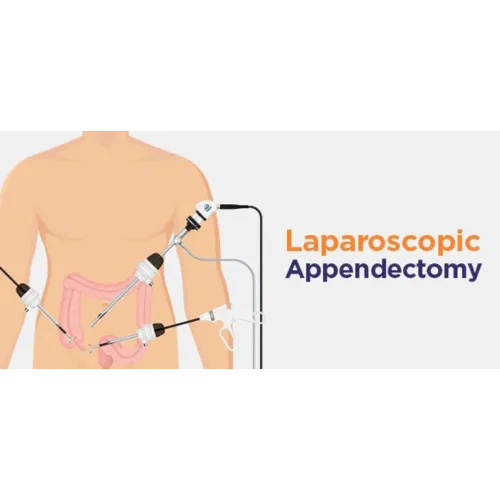
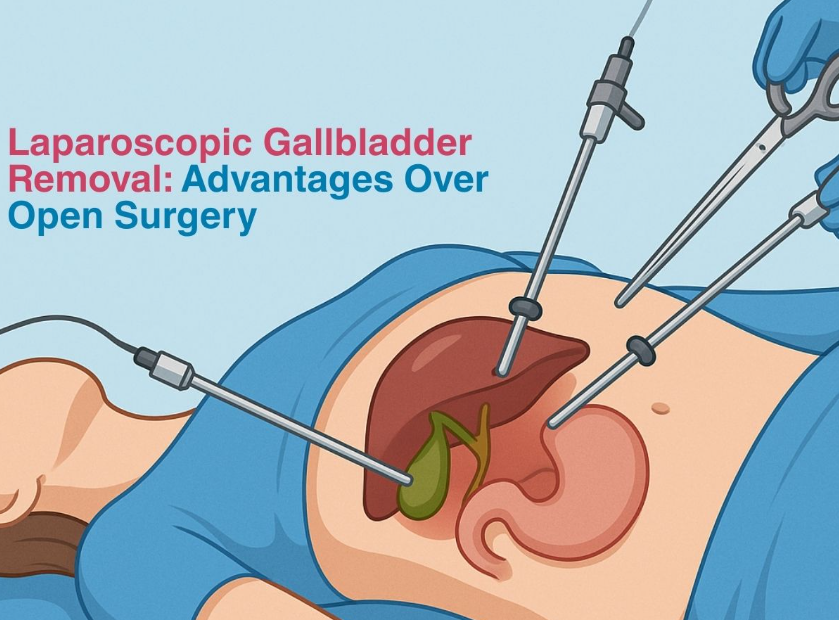
When surgery is indicated, laparoscopic gallbladder removal is commonly considered. The surgeon should explain why treatment is being recommended and what alternatives or considerations apply to the individual patient.
What Should You Bring to the Consultation?
If you already have an ultrasound or other abdominal imaging, bring the report and images if available. Previous blood-test results, details of earlier pain episodes and a current medication list can also help.
Patients from Byculla and nearby areas can consult Dr Khyati Shroff Surgical Clinic for evaluation of diagnosed or suspected gallstones. A surgical assessment can help distinguish incidental stones from clinically significant gallbladder disease and determine whether observation, further investigation or surgery is appropriate. The decision should ultimately be based on symptoms, examination and investigations rather than the ultrasound finding alone.
Keywords