
A painful swelling near the anus that settles and then returns can be frustrating, especially when it is accompanied by pus or persistent discharge. These symptoms may sometimes occur with an anal fistula. Evaluation by a Fistula Surgeon can help determine whether an abnormal tract is present and what treatment may be appropriate.
For patients in Chinchpokli, Mumbai, Maharashtra, repeated episodes should not simply be managed as isolated skin infections without investigating the underlying cause.
What Is an Anal Fistula?
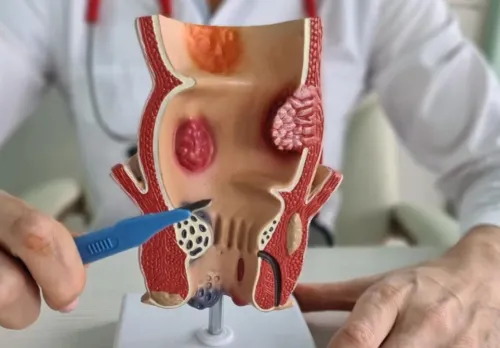
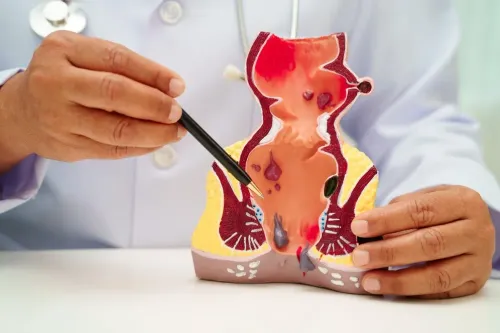
An anal fistula is an abnormal passage that can develop between the anal canal and the skin nearby. It may develop after an anal abscess, although individual causes and anatomy can vary.
Possible symptoms include:
- Recurrent swelling near the anus
- Pus or fluid discharge
- Local irritation
- Pain or tenderness
- A small opening near the anal region
- Episodes in which swelling improves after discharge and later returns
Symptoms alone cannot confirm the diagnosis. Examination is needed.
Why Does the Anatomy Matter?
Fistulas can follow different paths in relation to the muscles responsible for bowel control. This makes accurate assessment important when planning treatment.
The surgeon may assess the external opening, previous abscess history and other clinical findings. Selected patients may require imaging or additional investigation to understand the fistula tract more clearly.
This information helps the surgeon plan treatment while considering both resolution of the fistula and preservation of normal function.
Avoid Treating Only the Discharge
When a swollen area drains, the reduction in pressure can make the patient feel that the problem has resolved. If an underlying fistula remains, however, discharge or swelling may recur.
Repeatedly using medicines without reassessment may therefore provide only temporary symptom control in some cases.
Similarly, squeezing or attempting to drain a swelling at home can worsen irritation and does not address the underlying tract.
Preparing for a Surgical Consultation
Bring details of previous abscesses, procedures, medicines and imaging if available. Tell the surgeon how frequently swelling occurs and whether there is ongoing discharge.
Patients in Chinchpokli experiencing these symptoms can consult Dr Khyati Shroff Surgical Clinic for evaluation. The important first step is establishing whether a fistula is actually present and understanding its anatomy. From there, treatment options can be discussed according to the tract, symptoms and individual clinical circumstances rather than approaching every fistula in exactly the same way.
Keywords