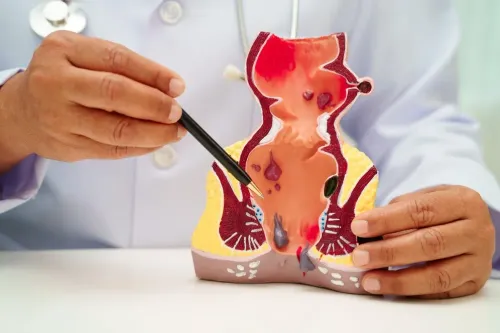
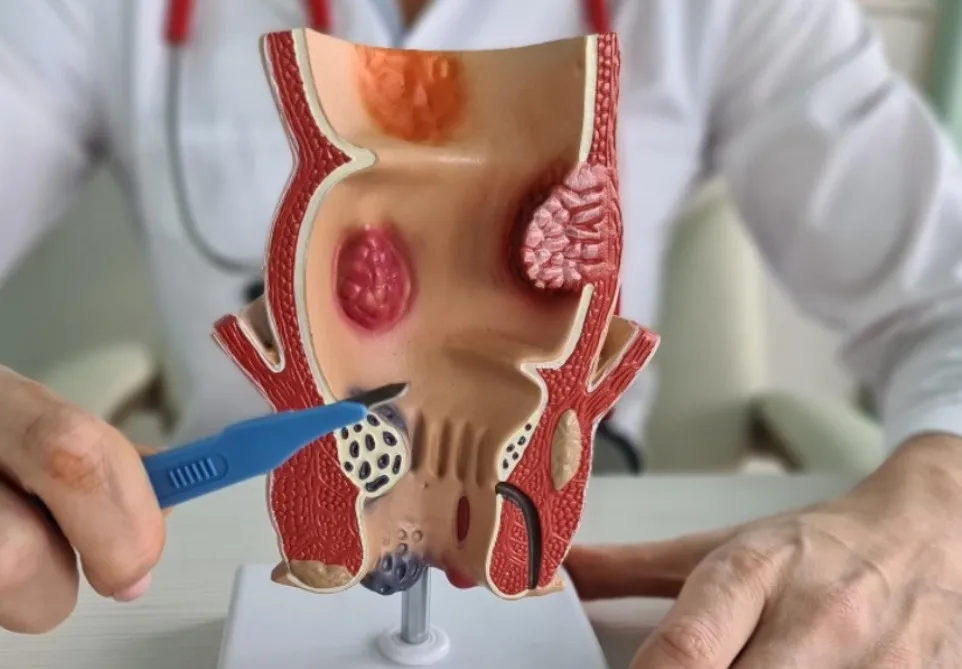
People searching for Fissure Treatment often want to know one thing first: can the condition heal without surgery? In many cases, treatment begins conservatively, but chronic or repeatedly symptomatic fissures may need further intervention.
For patients in Byculla, Mumbai, Maharashtra, the appropriate choice depends on the duration of symptoms, examination findings, response to previous treatment and individual clinical factors.
Conservative Treatment Is Often Considered First
When a fissure is relatively recent and there are no concerning findings, treatment may focus on making bowel movements easier and reducing further trauma.
A management plan may include:
- Increased dietary fibre
- Adequate water intake
- Measures to prevent hard stools
- Prescribed topical medication
- Appropriate pain management
- Changes in toilet habits
The objective is to interrupt the cycle in which pain leads to avoidance of bowel movements, which can then contribute to harder stools and further injury.
What Changes When a Fissure Becomes Chronic?
A chronic fissure is not simply a fissure that feels more painful. It refers to a problem that has persisted and may show particular clinical features on examination.
If symptoms continue despite appropriate conservative management, the doctor may consider additional treatment options. The decision is based on the individual case rather than a fixed timeline for everyone.
Surgical treatment may be discussed in selected chronic cases. As with any procedure, expected benefits, possible risks, recovery considerations and alternatives should be reviewed before proceeding.
Comparing the Two Approaches
Conservative care avoids an operation and may be suitable for many early cases. Its success, however, depends partly on consistent bowel management and the nature of the fissure.
Procedural or surgical management may be considered when symptoms remain persistent or conservative measures have not been adequate. The specific procedure should only be selected after clinical assessment.
Neither approach should be chosen solely because it worked for someone else.
Questions to Ask During Consultation
Before deciding on treatment, ask whether the fissure appears acute or chronic, what may be contributing to it and how long conservative treatment should reasonably be continued.
It is also useful to discuss what signs would indicate that the current plan needs to change.
At Dr Khyati Shroff Surgical Clinic, patients from Byculla can have persistent anal pain, bleeding and suspected fissures assessed before deciding on treatment. A diagnosis-led approach helps ensure that management is proportionate to the condition and that recurring symptoms are not simply treated with the same temporary measures each time.
Keywords