
Families facing a foot ulcer need to know whether they are arranging a planned wound procedure or responding to an urgent infection. By the end, you will understand the assessment, tests, surgical choices, wound closure, recovery instructions and warning signs that should change your next step.
Key takeaways
- Ask for wound measurements, depth, infection findings and circulation results.
- Surgery is chosen based on dead tissue, infection, bone involvement and pressure.
- Plan dressings, off-loading, diabetes control and follow-up before discharge.
- Seek emergency assessment for spreading redness, fever, foul discharge or black tissue.
What happens at the first ulcer consultation?
An ulcer surgeon in Mumbai begins by measuring the wound’s length, width and depth, recording the findings in the clinical notes. A sterile probe checks whether bone or tendon is exposed beneath the opening. The examination identifies dead tissue, callus, pressure points, swelling, discharge, odour and signs of infection.
The clinician checks foot pulses, skin warmth, capillary refill, arterial circulation and protective sensation with touch or a monofilament. The discussion covers footwear, walking pressure, glucose control, kidney disease and previous dressings, antibiotics, debridement or other treatment. Bring earlier reports and a list of medicines and insulin.
Likely tests include:
- Blood glucose and HbA1c to assess current and longer-term control.
- Deep tissue or wound culture when infection is suspected, preferably from properly collected tissue.
- A foot X-ray to look for gas, foreign material or bone involvement.
- Doppler ultrasound or another arterial assessment when pulses or circulation are poor.
A photograph helps compare size, colour and drainage over time, but it cannot replace examination, pulse assessment, imaging or laboratory testing. A deep, infected or poorly perfused wound needs clinical assessment even when its surface looks small.
When is surgery the right treatment, and which operation is chosen?
Antibiotics treat clinical infection, off-loading removes pressure, specialised dressings protect the wound, and glucose management supports healing. Surgery becomes appropriate when callus, dead or infected tissue, a deep abscess, uncontrolled infection, bone involvement or a pressure-causing deformity requires removal or correction. Poor blood flow changes the order: revascularisation may come first or alongside wound surgery.
Wound cleaning is not debridement. Debridement removes callus, dead, infected or nonviable tissue until a viable wound bed is reached; a large or infected wound may need repeat procedures. In diabetic foot ulcer surgery in mumbai, the operation is matched to the problem:
| Option | What it does | When it applies |
|---|---|---|
| Debridement | Removes unhealthy tissue | Nonviable tissue or infected wound bed |
| Drainage | Releases pus from an abscess | Deep collection or spreading infection |
| Revascularisation | Restores flow by endovascular treatment or open bypass | Poor arterial circulation |
| Bone resection | Removes infected bone | Osteomyelitis or exposed infected bone |
| Deformity correction | Reduces abnormal pressure | Recurrent ulcer over a bony prominence |
| Graft or flap | Covers a suitable wound bed | Tissue loss after infection settles |
| Amputation | Removes unsalvageable tissue while preserving useful length | Tissue cannot be saved, infection persists or flow cannot be restored |
Amputation is not automatic because an ulcer exists. Ask which tissue can be preserved and how mobility, balance and future pressure points will be managed.
What happens during a foot ulcer operation?
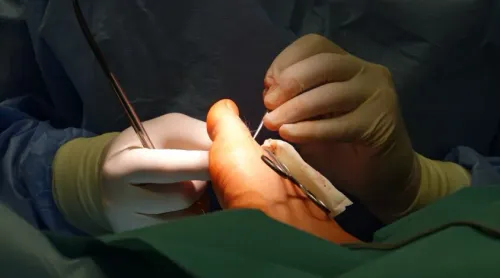
Admission begins with a medical review, fasting instructions and confirmation of medicines, glucose readings, allergies and circulation concerns. The surgeon explains the planned foot ulcer operation in Mumbai, alternatives, possible amputation or repeat procedures, and obtains consent before choosing local, regional or general anaesthesia.
- After anaesthesia, the surgeon removes callus, dead, infected or nonviable tissue until healthy tissue is reached. This is debridement, not simple wound cleaning. The surgeon drains pus and sends deep tissue or bone—not just a surface swab—for culture and pathology.
- A small skin opening can hide infection tracking through tendon, a joint or bone. Large or infected wounds therefore need reassessment, and repeat debridement may be necessary when infection or unhealthy tissue remains.
- Closure depends on drainage, tissue condition and blood supply: the wound may stay open with packing, close immediately with sutures, or close later after infection settles. A skin graft or flap is considered only when the wound bed is healthy and blood flow is adequate.
- The team applies a dressing and monitors pain, bleeding, circulation, foot colour and warmth, vital signs and blood glucose in recovery. Staff then explain weight-bearing limits, dressing care and warning signs before discharge or continued admission.
What does recovery include after ulcer surgery?
After surgery, expect a dressing schedule, wound reviews, glucose checks and pressure relief—not a single discharge visit. Antibiotics are used when clinical infection warrants them; deep-tissue results can guide changes. Follow-up continues until the wound closes and remains stable, including suture or staple review and monitoring for drainage or separation.
Follow the prescribed non-weight-bearing or limited-weight-bearing plan. A removable boot, cast or non-removable off-loading device protects the repair; ordinary sandals or walking directly on the operated foot can reopen it. Attend cast or orthosis checks, change footwear when advised and complete rehabilitation to restore safe movement and loading.
Skin closure is not the end. Neuropathy, callus, deformity and abnormal pressure can cause another ulcer, so inspect both feet daily, never walk barefoot and report a new blister or skin break promptly. Ask about footwear and pressure areas at every review.
Seek urgent postoperative assessment for:
- Fever, increasing pain or spreading redness
- Pus, foul drainage or wound separation
- A cold, pale, blue or discoloured toe
- New black tissue, sudden swelling or loss of sensation
Which warning signs require emergency assessment in Mumbai?
Rapidly spreading redness, foul-smelling discharge, severe swelling, black or grey tissue, crepitus, a deep abscess, visible bone or tendon, or a cold or pulseless foot requires emergency assessment. Do not wait for a routine ulcer surgeon in Mumbai appointment; go to an emergency department or follow the treating clinician’s urgent instructions.
| Finding | Why it is urgent | Action |
|---|---|---|
| Rapid worsening, confusion or other systemic illness | Possible severe infection or sepsis | Call emergency services and seek immediate hospital care |
| Severe pain, new loss of sensation, cold or pulseless foot | Possible critical nerve or blood-flow failure | Use emergency assessment, not routine scheduling |
| Black or grey tissue, crepitus, exposed bone or tendon | Possible gangrene, gas-forming infection or deep tissue involvement | Attend an emergency department immediately |
Fever can be absent in people with diabetes or reduced immunity, so a normal temperature does not rule out danger. Take diabetes medicines and insulin lists, recent glucose readings, allergies, antibiotic history, and vascular or kidney reports.
Do not apply household chemicals or unprescribed powders. A stable chronic wound can follow a planned pathway only after examination confirms stability.
How should families compare ulcer surgery consultations?
Choose the consultation that explains both the operation and the team managing everything around it. Verify the surgeon’s registered qualifications and medical registration; “ulcer surgeon in Mumbai” is a search term, not a credential. Ask who will manage infection, vascular disease, diabetes, anaesthesia, wound care and off-loading if the case is complex.
| Option | What to verify | Why it matters |
|---|---|---|
| Bedside procedure | Debridement or drainage, with local anaesthesia if appropriate | Some wounds need monitoring rather than an operating room |
| Operating-room procedure | Debridement, drainage, bone resection, revascularisation, deformity correction or amputation | Deeper infection, poor blood flow or structural pressure may need specialist support |
| Specimen plan | Which deep tissue or bone will go for culture and pathology | A superficial swab can miss the bacteria causing deep infection |
| Recovery plan | Weight-bearing limit, dressing schedule and readmission triggers | Walking too soon or missing infection signs can undo treatment |
- How much weight can the patient bear, and in which device?
- What finding would require readmission?
- Who reviews glucose and HbA1c after surgery?
Take imaging, culture reports, glucose and HbA1c results, medication and insulin lists, vascular reports, and earlier debridement records. Dr Khyati Shroff Surgical Clinic -laser Proctocare is one consultation option for diabetic-foot surgical assessment; suitability depends on the wound’s depth, blood supply and complexity.
Related services
Ulcer Healing Surgery Service Chronic or non-healing ulcers can cause severe pain, infection, and serious health complications if left untreated. View service → |
Diabetic Foot Surgery Service Diabetic foot complications are a serious concern for individuals with diabetes. View service → |
Frequently asked questions
What happens at the first ulcer consultation?
The surgeon measures the wound’s length, width and depth, probes for exposed bone or tendon, and checks dead tissue, callus, pressure, swelling, discharge, odour and infection. The assessment also guides decisions about circulation, imaging and treatment.
When is surgery the right treatment, and which operation is chosen?
Surgery is considered when dead tissue, deep infection, exposed bone, an abscess or pressure prevents healing. The operation depends on the findings and may involve debridement, drainage, removal of infected bone or pressure-relieving reconstruction.
What happens during a foot ulcer operation?
The surgical team cleans the wound, removes non-viable tissue and treats infection or pressure sources identified during assessment. The wound may be left open for dressings or closed when the tissue is healthy and infection is controlled.
What does recovery include after ulcer surgery?
Recovery includes wound dressings, pressure off-loading, diabetes management, review appointments and monitoring for infection. Your surgeon will explain weight-bearing limits and when the wound needs reassessment.
Which warning signs require emergency assessment in Mumbai?
Seek urgent assessment for spreading redness or swelling, fever, severe or worsening pain, foul-smelling discharge, rapidly changing skin colour, black tissue, confusion or feeling faint.
Keywords