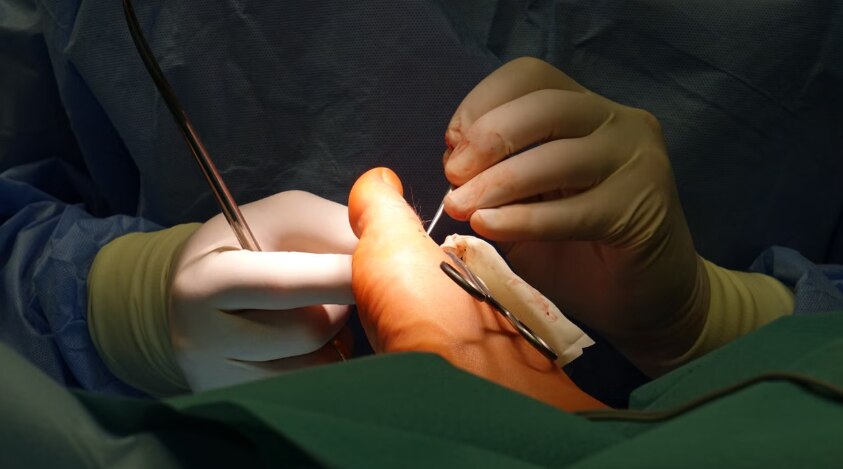
A diabetic foot operation is not one standard procedure: the right choice can range from pressure relief and wound care to drainage, debridement, revascularisation, reconstruction or amputation. By comparing the clinical findings, tests, healing demands and trade-offs behind each option, you can prepare for a more focused discussion with your treatment team.
Key takeaways
- Depth, infection, bone involvement and blood flow determine the operation.
- Doppler studies and foot imaging can change the treatment plan.
- Ask how the team protects tissue, controls infection and preserves function.
- Compare vascular, wound-care and diabetic-foot expertise before choosing a surgeon.
What diabetic foot surgery can include
A diabetic foot operation is not one standard procedure. Diabetic foot surgery in Mumbai can range from removing infected tissue to restoring blood flow or preserving a functional part of the foot. The choice depends on the ulcer’s depth, infection, bone involvement, circulation, nerve damage and tissue viability.
- Sharp debridement removes dead skin, muscle or fascia that prevents healing and allows infection to spread.
- Abscess drainage releases trapped pus, reducing pressure and controlling a deep soft-tissue infection.
- Bone debridement or partial bone removal treats osteomyelitis when infection has reached a toe, metatarsal or other foot bone.
- Revascularisation, such as angioplasty or bypass, improves blood supply when blocked arteries leave tissue starved of oxygen.
- Deformity correction stabilises a Charcot foot or reduces a bony pressure point that repeatedly causes ulcers.
- Skin grafting or flap coverage protects exposed tendon, bone or hardware after a wound has been cleaned and needs durable tissue.
- Toe or partial-foot amputation removes gangrenous or nonviable tissue while preserving as much useful foot length as possible.
- Below-knee or above-knee amputation is reserved for tissue that cannot be salvaged, extensive infection, or a limb that cannot support healing.
A smaller incision, laser label or minimally invasive technique does not overcome untreated poor circulation, deep infection or continued pressure. Antibiotics alone do not replace drainage, debridement or removal of infected bone when those problems are present.
How surgeons choose between wound care, surgery and amputation
The decision turns on tissue viability, infection depth, blood flow, bone involvement, pressure, and your capacity to heal. A diabetic foot surgeon in Mumbai may continue wound care for a shallow, clean ulcer with viable surrounding skin, using off-loading, dressings, glucose control and close review.
An ulcer with exposed tendon or bone, spreading redness, foul discharge, fever, abscess or gangrene usually needs urgent hospital assessment.
| Option | What it means | When it applies |
|---|---|---|
| Conservative care | Dressings, debridement in clinic, antibiotics when indicated, and pressure relief | The wound is superficial, infection is controlled, and circulation supports healing |
| Infection surgery | Drainage, removal of dead tissue, or removal of infected bone | An abscess, deep infection, necrosis, or osteomyelitis threatens the foot |
| Vascular treatment | Angioplasty, stenting, bypass, or formal blood-flow assessment | Poor pulses or imaging shows ischaemia limiting healing |
| Reconstruction | Tendon, bone, skin, or tissue coverage after the wound is clean | Useful tissue remains, but deformity or tissue loss prevents closure |
| Minor amputation | Removal of a toe or part of the foot | Infection or gangrene is localised and viable tissue can support healing |
| Major amputation | Removal above the ankle or higher | Infection, gangrene, or nonviable tissue extends beyond a salvageable foot |
Poor circulation can require revascularisation before or alongside debridement or amputation. A minor amputation preserves limb length but can shift pressure, cause recurrent ulcers, or lead to another operation; major amputation may offer more reliable removal of unsalvageable tissue.
The diabetic foot surgery benefits are clinical goals, not guarantees: healing still depends on glucose control, nutrition, smoking cessation, kidney health, off-loading and inspection of both feet.
The findings and tests that change the treatment decision
Fever, confusion, fast breathing, low blood pressure or a rapidly worsening foot infection require hospital assessment, not a routine clinic appointment. Waiting can allow sepsis, tissue loss or an amputation-level infection to progress. A diabetic foot operation becomes time-critical when the foot cannot be safely protected while tests are arranged.
Examine the foot for:
- An ulcer reaching tendon, joint or bone; exposed bone strongly raises concern for osteomyelitis.
- Spreading redness, warmth, swelling, foul discharge, fluctuance or severe tenderness.
- Black or grey tissue, wet gangrene, rapidly expanding blisters or skin discoloration.
- A cold foot, absent pulses, delayed capillary refill or pain at rest.
- A rigid, hot, swollen foot with deformity, suggesting Charcot change or possible compartment pressure.
| Finding or test | Supports planned care | Requires urgent hospital review |
|---|---|---|
| Ulcer and tissue | Clean, shallow wound with viable edges | Deep wound, exposed bone, gangrene or necrosis |
| Blood flow | Palpable pulses and reassuring toe pressure or Doppler findings | Absent pulses, severe ischemia or threatened tissue |
| Infection tests | Stable observations and superficial inflammation | Raised inflammatory markers with systemic illness or rapidly spreading infection |
| Imaging | No bone destruction on X-ray | Gas, deep abscess, destructive bone changes or MRI evidence of osteomyelitis |
Ask whether tissue from debridement or a diabetic foot operation will be sent for deep culture and histology. Blood-flow imaging such as duplex ultrasound, CT angiography or MR angiography can change the sequence: revascularisation may need to precede reconstruction or amputation. These checks matter when comparing diabetic foot treatment in Mumbai.
Comparing recovery, healing risks and the benefits of each option
Expect dressings, pain control, antibiotics when infection is present, and a period of restricted weight-bearing after surgery. The procedure may remove dead tissue, drain pus, remove infected bone, restore blood flow, correct pressure points, or remove a toe or part of the foot.
| Option | Recovery | Main benefit and healing risk |
|---|---|---|
| Wound debridement or drainage | Frequent dressings and off-loading; recovery depends on wound depth | Controls infection while preserving tissue; persistent infection or poor blood flow can reopen the wound |
| Revascularisation | Monitoring after the procedure, followed by wound care and protected walking | Improves oxygen delivery for healing; blocked vessels or smoking can limit the result |
| Minor amputation | Weeks of wound protection, footwear changes and gait rehabilitation | Removes nonviable tissue while preserving limb length; pressure can shift to adjacent toes and create another ulcer |
| Major amputation | Longer rehabilitation, physiotherapy and possible prosthetic training | Removes an unsalvageable limb; the remaining foot still faces neuropathy, pressure injury and ischaemia |
Good circulation gives a wound oxygen and nutrients; absent pulses or severe ischaemia can cause breakdown even after technically successful surgery. Neuropathy removes pain as an early warning, so inspect the foot daily and keep pressure off with crutches, a cast, a removable boot or prescribed footwear.
Blood-glucose control, smoking cessation and adequate protein support healing, but they cannot replace drainage or debridement when infection requires it. Seek urgent review for fever, spreading redness, blackening tissue, foul discharge, increasing swelling or a cold, pale foot. These are central diabetic foot surgery benefits to weigh when comparing diabetic foot surgery in Mumbai.
How to compare diabetic foot treatment teams in Mumbai
Choose a team that treats healing as more than an operation. Ask whether the diabetic foot surgeon in Mumbai works with vascular, infectious-disease, orthopedic or podiatric, wound-care and rehabilitation specialists when your case requires them.
| Team feature | Question to ask | Why it matters |
|---|---|---|
| Circulation assessment | Who will check pulses, ankle-brachial pressure, toe pressure or arterial imaging? | Revascularisation may be needed before debridement or amputation. |
| Infection control | Will deep tissue or bone be sent for culture and histology? | Surface swabs can miss the organism or bone infection. |
| Recovery planning | Who arranges off-loading, footwear, physiotherapy and follow-up? | Pressure on a healing wound can reopen it. |
Before choosing diabetic foot treatment in Mumbai, ask:
- What procedure is recommended, and what problem will it solve: drainage, debridement, revascularisation, bone-infection treatment or amputation?
- If circulation is poor, will a vascular specialist assess you before surgery or alongside it?
- How will blood glucose, nutrition, smoking, kidney disease and pressure from footwear be managed?
- After a major amputation, when will prosthetic planning and rehabilitation begin, and how will the remaining foot be monitored?
- Which warning signs require immediate review, such as fever, spreading redness, increasing pain, foul discharge or blackening tissue?
Dr Khyati Shroff Surgical Clinic -laser Proctocare is one Mumbai option to question on these specific points rather than choosing it—or any clinic—solely for a “laser” or “minimally invasive” label.
Related services
Diabetic Foot Surgery Service Diabetic foot complications are a serious concern for individuals with diabetes. View service → |
Toe Amputations Toe Amputation Surgery Service Toe amputation is a specialized surgical procedure performed to remove a severely damaged, infected, or non-viable toe... View service → |
Frequently asked questions
What can diabetic foot surgery include?
It can include debridement to remove dead or infected tissue, drainage of an abscess, removal of infected bone, blood-flow restoration, or removal of a nonviable part of the foot.
How do surgeons choose between wound care, surgery and amputation?
They assess ulcer depth, infection severity, bone involvement, circulation, nerve damage and tissue viability. Stable superficial wounds may receive wound care, while spreading infection, dead tissue or threatened tissue requires surgery; amputation is considered when tissue cannot be preserved safely.
Which findings and tests change diabetic foot treatment decisions?
The wound’s size and depth, exposed tendon or bone, drainage, swelling, fever, pulses and sensation matter. X-rays or MRI can show bone infection, while Doppler or other vascular tests assess blood flow and whether revascularisation is needed.
How should you compare diabetic foot treatment teams in Mumbai?
Ask about experience with diabetic foot wounds, infection control, vascular assessment, imaging access, offloading, diabetes management, follow-up and rehabilitation. Confirm who coordinates care when wound, vascular and surgical treatment are all needed.
Related service
Gangrene Surgery Service Gangrene is a serious and potentially life-threatening condition caused by loss of blood supply or severe infection leading to tissue death. View service → |
Keywords