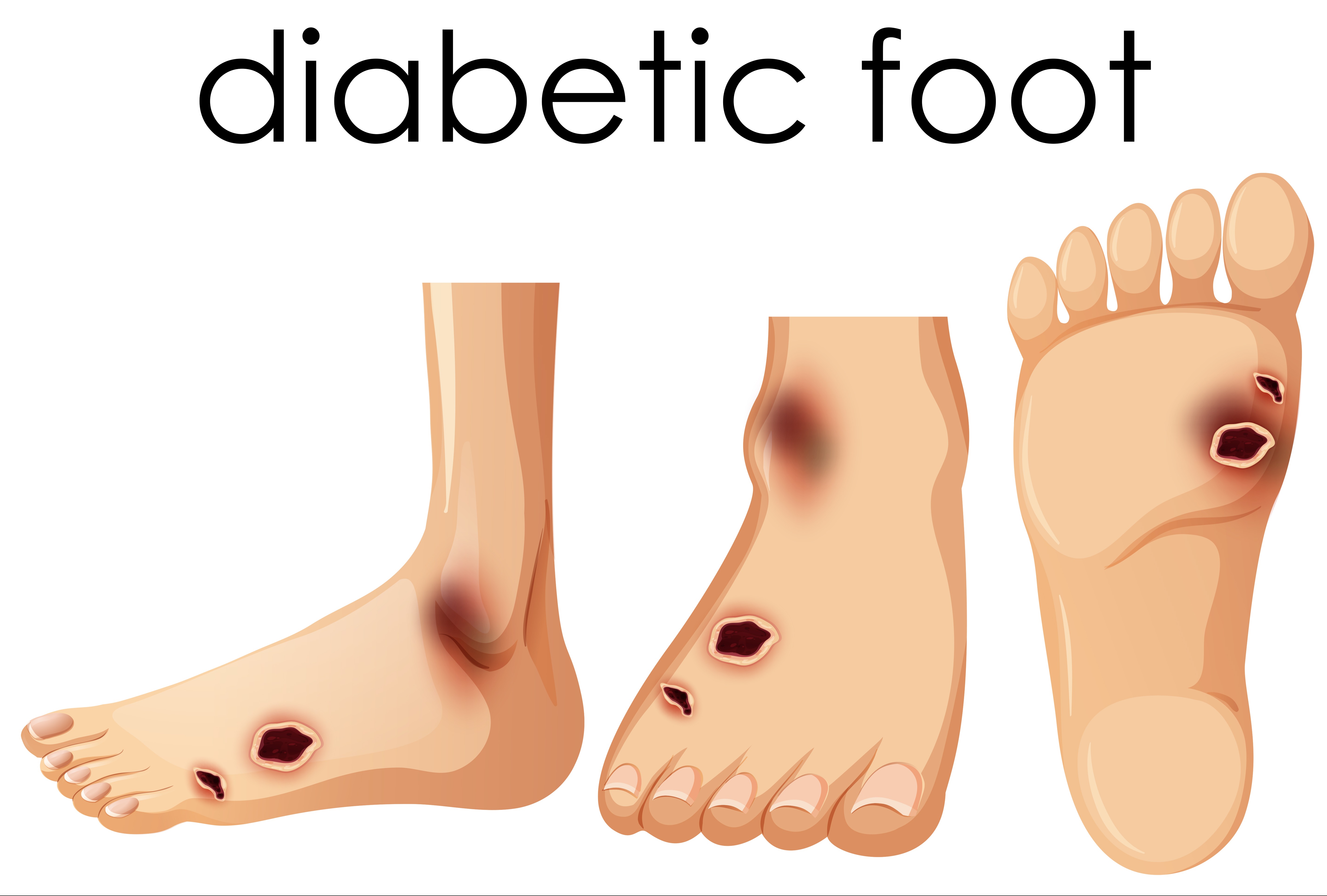
A small blister, cut or pressure area on the foot can become a much more significant problem in a person with diabetes. Reduced sensation may prevent an injury from being noticed early, while circulation problems and infection can complicate healing. Assessment by a Diabetic Foot Specialist is therefore important when a wound, swelling or skin change does not improve as expected.
For people with diabetes in Lower Parel, Mumbai, Maharashtra, regular foot awareness is a practical part of preventing avoidable complications.
Why Diabetes Can Change Foot Risk
Long-standing diabetes can affect nerves and blood vessels.
Reduced nerve sensation may mean that a person does not feel pain from a blister, shoe pressure or minor injury. At the same time, reduced circulation can affect tissue healing in some patients.
This combination makes visual inspection particularly important.
Foot Changes That Deserve Attention
People with diabetes should pay attention to:
- Cuts or wounds that are not healing
- New redness or swelling
- Discharge from a wound
- Blisters
- Dark or unusual skin changes
- Calluses with underlying breakdown
- Warmth around a specific area
- New foot deformity
- Persistent swelling
- A wound associated with fever or increasing illness
A lack of pain does not necessarily mean that a wound is minor, particularly when sensation is reduced.
What Does Diabetic Foot Assessment Involve?
Evaluation may include examination of the wound, surrounding skin, signs of infection, circulation and sensation.
The clinician may also consider blood glucose control, footwear, pressure points and previous foot problems. Depending on the findings, wound care, pressure reduction, infection management, investigations or other treatment may be required.
More complicated wounds may need coordinated care involving different medical specialties.
Daily Foot Care Can Support Prevention
Patients can make foot inspection part of their daily routine. Look at the soles and between the toes, or use assistance when these areas are difficult to see.
Shoes should be checked for objects or rough areas before wearing them. Walking barefoot can create avoidable injury risk, especially when sensation is reduced.
Self-cutting calluses or treating wounds with unprescribed chemicals should be avoided.
Patients around Lower Parel can consult Dr Khyati Shroff Surgical Clinic for assessment of diabetic foot wounds and related surgical concerns. Early evaluation of a new or worsening wound allows its depth, infection risk, circulation and pressure factors to be assessed before the problem becomes more difficult to manage.
Keywords