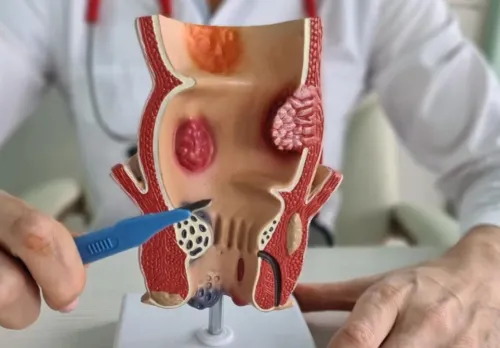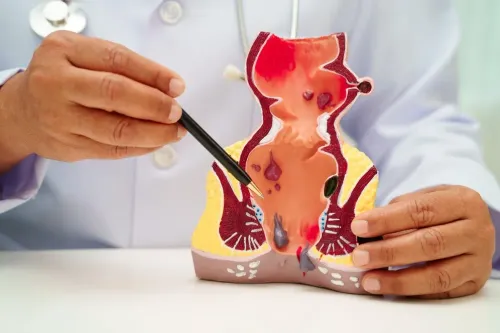

When an anal fistula has been diagnosed, patients naturally want to know whether surgery is necessary, what type of procedure may be used and what recovery could involve. Fistula Surgery is not a one-size-fits-all operation because fistulas can differ considerably in their course and relationship with the anal sphincter muscles.
For patients in Mahalaxmi, Mumbai, Maharashtra, asking the right questions before treatment can make the decision-making process clearer.
Why Fistula Mapping Matters
The location of the external opening does not always reveal the complete internal path of a fistula.
Before choosing a treatment approach, the surgeon needs to understand factors such as:
- Location of the fistula
- Complexity of the tract
- Relationship to sphincter muscles
- Previous abscesses or operations
- Recurrent disease
- Associated medical conditions
Some cases can be evaluated clinically, while selected or complex cases may require imaging.
Why Are Different Procedures Used?
Because fistulas vary anatomically, different surgical techniques may be considered. A procedure suitable for a straightforward fistula may not be the preferred approach for a more complex tract.
Treatment planning aims to manage the fistula while taking bowel-control function into consideration. The surgeon should explain why a particular technique is being recommended for the individual case.
Patients should be cautious about choosing treatment solely because a procedure is described as newer, faster or less invasive. Suitability matters more than labels.
Questions Worth Asking Before Surgery
A useful preoperative discussion can include:
- Is the fistula simple or complex?
- Is additional imaging required?
- Which procedure is being considered and why?
- What type of anaesthesia may be used?
- What wound care might be needed afterwards?
- When can routine activities generally be resumed?
- What symptoms after surgery require medical attention?
- What follow-up will be necessary?
Understanding these points helps patients prepare practically for treatment and recovery.
Recovery Is Part of Treatment Planning
Postoperative care can vary according to the procedure. Hygiene, bowel management, prescribed medication, wound care and follow-up instructions may all play a role.
Patients should follow the specific advice given for their procedure instead of applying generic recovery tips from another person's experience.
Dr Khyati Shroff Surgical Clinic provides surgical consultation for patients from Mahalaxmi with diagnosed or suspected anal fistulas. A considered decision begins with accurate assessment of the tract and a discussion of appropriate options, expected recovery and relevant risks. That gives patients a clearer basis for making an informed treatment choice.
Keywords