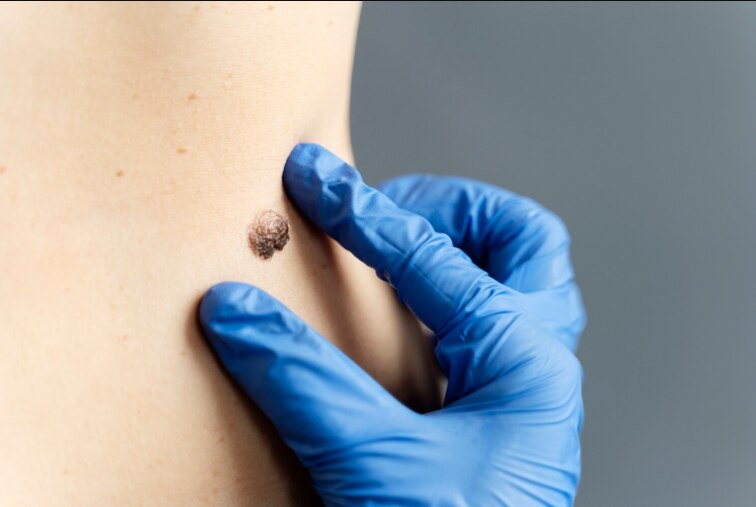
A lump cannot be planned for removal safely until a clinician establishes what it is, whether it is infected, and how deeply it extends. You will learn which examinations and scans may be used, when observation or drainage is enough, what complete excision involves, and what recovery and follow-up require.
Key takeaways
- A physical examination helps distinguish a cyst from an abscess, lipoma or tumour.
- Drainage relieves infected cysts but does not remove the cyst wall.
- Complete excision lowers the chance of the same cyst returning.
- Ask which anaesthesia, wound care and follow-up your procedure requires.
How a Doctor Confirms That the Lump Is a Cyst
A clinician confirms a cyst by examining the lump rather than relying on appearance alone. Size, mobility, texture, tenderness, depth and location help distinguish an epidermoid or other skin cyst from a soft, freely moving lipoma, a painful abscess, an enlarged lymph node, a hernia, a breast lump, pilonidal disease, hidradenitis, or another tumour.
A visible central skin opening supports an epidermoid cyst; the history of growth, previous drainage, infection and recurrence adds important evidence.
Seek prompt assessment if you notice:
- Rapid growth or a sudden change in a previously stable lump
- Severe pain, redness, warmth, pus or fever
- Bleeding, ulceration or a wound that does not heal
- Fixation to deeper tissue instead of normal movement
- A lump in the breast, groin, abdomen, buttock cleft or diabetic foot
Ultrasound can show whether a mass is fluid-filled, solid, deep, connected to nearby structures or associated with an abscess. A different scan, tissue sampling, histopathology or specialist referral is appropriate when the lump is firm, fixed, recurrent, rapidly enlarging, ulcerated or diagnostically unclear. Do not treat a presumed cyst as definitively benign without examination.
Before arranging cyst removal surgery in Mumbai, obtain a diagnosis and ask whether imaging or tissue testing is needed.
When Observation, Testing or Removal Makes Sense
Not every cyst needs surgery. A small, painless, stable lump with a confident diagnosis can be monitored, but recurrent infection, persistent drainage, rapid enlargement, pressure, restricted movement or cosmetic concern can support planned skin cyst surgery.
Before choosing observation or removal, the consultation should cover:
- Physical examination of the lump, including its size, depth, tenderness, mobility and skin changes.
- Previous drainage, surgery, infection, recurrence or an injury at the site.
- Allergies, anticoagulants and every prescription, over-the-counter or herbal medicine.
- Diabetes, immune suppression, poor wound healing or other medical conditions.
- Symptoms suggesting another diagnosis, such as a fixed, rapidly growing, ulcerated or unusually firm mass.
- Preoperative blood tests or other testing when medical risks, active infection or the planned procedure make them useful.
- Ultrasound when the lump is deep, atypical, difficult to examine, or needs classification as fluid-filled, solid or connected to nearby structures.
Do not squeeze, puncture or repeatedly drain a lump at home. These actions can spread infection, create scarring and leave the capsule behind, allowing recurrence. Antibiotics can treat cellulitis or an abscess when indicated, but they do not remove an epidermoid cyst capsule; uncomplicated excision does not automatically require antibiotics.
A suspected pilonidal, diabetic-foot or otherwise unusual lesion needs condition-specific planning rather than routine cyst removal.
Drainage, Complete Excision and the Choice of Anaesthesia
Drainage relieves pressure; complete excision aims to remove the cyst wall or underlying sinus. The correct choice depends on whether the lesion is an epidermoid cyst, abscess, pilonidal disease or another mass.
| Option | What it does | Main limitation |
|---|---|---|
| Incision and drainage | Opens a red, painful, fluctuant collection and releases pus | Usually leaves an epidermoid wall or pilonidal sinus, so recurrence remains possible |
| Complete excision | Removes the contents and capsule, ideally intact | Inflamed tissue makes the capsule difficult to identify, so treatment may be delayed |
An acutely infected lesion is often drained first. Once swelling and inflammation settle, definitive removal becomes safer and more complete.
- Local anaesthesia numbs a small, superficial lesion for outpatient treatment.
- Sedation with local anaesthesia suits a larger or anxiety-provoking procedure while preserving breathing without full general anaesthesia.
- Regional or general anaesthesia may be selected for deep, extensive, multiple, recurrent, perianal or pilonidal disease, or when patient factors make local treatment unsuitable.
A cyst excision procedure may need ultrasound or other imaging when the lesion is deep, large or anatomically difficult. A procedure room or operating theatre is more appropriate for facial, genital, breast, perianal, recurrent or pilonidal lesions than for a small skin lump.
Cyst excision in Mumbai is therefore not one standard operation. Antibiotics are not routine for every uncomplicated excision; clinicians link them to cellulitis, fever or other systemic illness, contamination, immune suppression and the operation’s extent.
What the Cyst Excision Procedure Includes
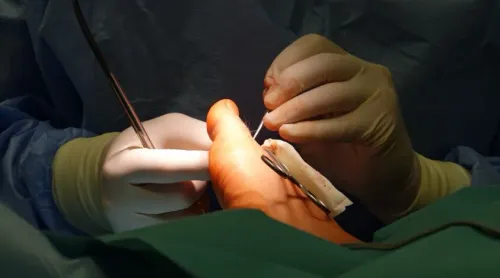
1. The surgeon confirms the lump’s location, marks the skin, and cleans the area with antiseptic. The chosen anaesthetic—often local for a small superficial lesion, with sedation or general anaesthesia considered for a large, deep or difficult site—is administered before incision.
2. An incision is placed over or beside the lesion, then the cyst is separated from surrounding tissue. The contents and capsule are removed intact where possible. A smaller cosmetic incision leaves less visible scarring, but a narrow opening can rupture the capsule and make complete removal harder, increasing recurrence risk.
3. Bleeding is controlled with pressure, cautery or other surgical measures. The wound is closed with sutures when the edges can come together safely; a contaminated cavity or larger defect may be left open for planned healing and dressing care.
4. Ask whether the specimen will be sent for histopathology if the diagnosis is uncertain or the lesion is unusual, recurrent, rapidly enlarging, ulcerated, firm, fixed or otherwise atypical. A cyst removal surgeon in Mumbai should also explain these risks before treatment: bleeding, infection, pain, scarring, wound separation, temporary numbness, incomplete capsule removal and recurrence.
At Dr Khyati Shroff Surgical Clinic -laser Proctocare, examination findings should determine the incision, anaesthesia and wound plan rather than a promised technique. Location, active infection, diabetes, impaired healing and lesion depth can change what is safest.
Related service
Cyst Excision surgery Service Cysts are closed sac-like lumps that can develop under the skin due to blocked glands, infection, or other causes. View service → |
Recovery, Follow-Up and Special Situations
After skin cyst surgery, including cyst removal surgery in Mumbai, you should leave with a dressing, wound-cleaning instructions, bathing guidance and prescribed pain relief. Keep the incision clean as directed, and do not soak it until the clinician permits it.
A small closed incision needs less care than an open cavity, which requires repeated dressing changes and longer follow-up.
If tissue was sent for histopathology, arrange a review to discuss the result. Non-absorbable stitches require removal at the scheduled visit; absorbable stitches do not. Report infection or wound separation promptly.
Pilonidal disease near the buttock cleft needs a different plan from an isolated skin cyst. Assessment should cover sinus openings, hair and cleft management, previous drainage, recurrence and whether the wound should remain open or be closed. Repeating drainage automatically can relieve pressure without treating the underlying sinus.
A lump on a diabetic foot or an area with neuropathy needs checks of:
- Glucose control, sensation and circulation
- Pressure and off-loading needs
- Ulceration, spreading redness and tissue death
- Possible deep infection
Seek urgent medical care for fever, worsening pain, spreading redness, pus, bleeding that does not stop or wound separation.
Frequently asked questions
How does a doctor confirm that a lump is a cyst?
The doctor examines its size, mobility, texture, tenderness, depth and location. These findings help distinguish a skin cyst from a lipoma, abscess, lymph node, hernia or another lump. Ultrasound or other testing is used when the diagnosis or depth is unclear.
When does a cyst need testing or removal?
Observation can suit a small, painless lump with a clear diagnosis. Testing is useful when the lump is deep, growing, unusual or difficult to identify. Removal makes sense when it causes pain, repeated inflammation, drainage, friction or concern about its diagnosis.
What is the difference between cyst drainage and complete excision?
Drainage releases infected or trapped material and can reduce pressure, but it leaves the cyst wall behind. Complete excision removes the cyst and its wall, which reduces recurrence when the entire wall is removed. An inflamed or infected cyst may need treatment before definitive excision.
What does a cyst excision procedure include?
Treatment usually includes examination, consent, skin preparation, local or another suitable anaesthetic, an incision, removal of the cyst and wall, bleeding control, wound closure and aftercare instructions. The removed tissue can be sent for laboratory examination when indicated.
What should you expect during recovery after skin cyst surgery?
Follow the wound-care instructions, keep the area clean and dry as directed, take prescribed pain relief, and avoid activities that pull on the wound. Attend the planned review for wound assessment or suture removal. Seek medical advice for spreading redness, increasing pain, fever, pus or bleeding that does not stop.
Keywords