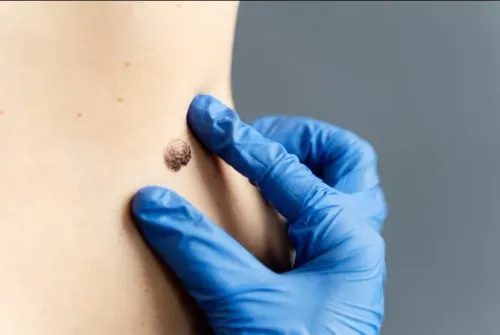
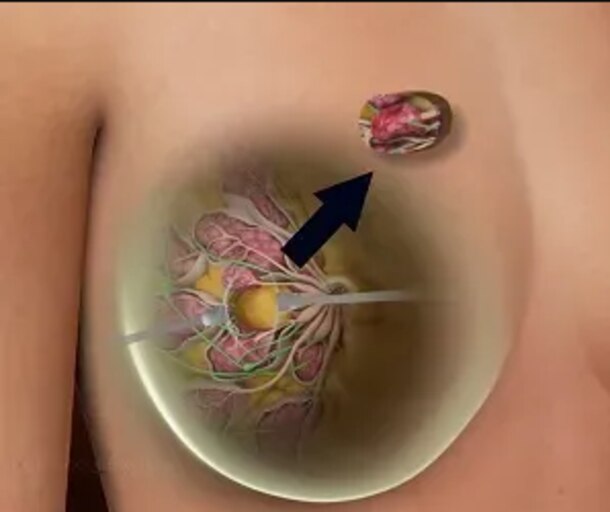
The right place for lump removal depends on what the lump may be, how deep or complex it is, and whether it needs imaging or biopsy before surgery. By the end, you will know which specialist to consult, which Mumbai facility fits the risk, and what to verify before booking or paying for treatment.
Key takeaways
- Get a diagnosis visit before booking lump excision surgery.
- Choose a specialist based on the lump’s location and suspected cause.
- Ask whether observation, drainage, biopsy, or complete excision is appropriate.
- Confirm pathology, total fees, and follow-up before consenting.
Start with a diagnosis visit, not an automatic operation
Do not book lump excision surgery in Mumbai until a doctor has identified what the lump could be. A physical examination and medical history come first; ultrasound or other imaging follows when the lump is deep, large, fixed, painful, recurrent, or close to important structures.
A lump’s feel alone cannot distinguish a lipoma, epidermoid cyst, abscess, enlarged lymph node, hernia, vascular lesion, breast lump, or sarcoma. See a general surgeon for many skin and soft-tissue lumps, a breast surgeon or breast clinic for a breast lump, and the appropriate specialist when its location or suspected diagnosis demands referral.
Your consultation should establish whether removal is necessary and which approach is safest:
- Observe it when examination and imaging support a harmless lesion that causes no problem.
- Drain an abscess when pus is present; drainage treats infection but leaves an epidermoid cyst wall behind, so the cyst can return.
- Perform a biopsy before removal when imaging or examination raises concern for sarcoma or another serious diagnosis. An unplanned excision can spread through tissue planes and complicate definitive treatment.
- Excise the whole lesion when complete removal is appropriate, then send it for histopathological examination. Appearance during surgery cannot reliably rule out an unexpected diagnosis.
Before choosing a clinic, day-surgery centre, or hospital, confirm that the surgeon can arrange imaging, pathology, referral, and follow-up. Ask whether the quote includes consultation, imaging, surgeon and anaesthetist fees, operating-room charges, pathology, dressings, and review visits.
Choose the specialist by the lump’s location and likely diagnosis
Start with a general surgeon for most skin and soft-tissue lumps. Choose a doctor who examines you, arranges ultrasound or other imaging when indicated, sends removed tissue for pathology, and has a referral plan if the diagnosis is malignant or outside the clinic’s expertise.
| Lump location or concern | Doctor to assess it | Why the choice matters |
|---|---|---|
| Skin, fatty tissue, or a suspected cyst | General surgeon | Can distinguish a lipoma, epidermoid cyst, abscess, lymph node, hernia, or another mass and plan observation, drainage, biopsy, or excision |
| Breast lump | Breast surgeon or dedicated breast clinic | Breast examination and targeted imaging follow a different pathway from routine soft-tissue lump surgery in Mumbai |
| Deep, enlarging, fixed, painful, or unusually large mass | Surgical oncologist or sarcoma team | A suspected sarcoma needs specialist imaging and biopsy planning before removal; an unplanned excision can contaminate tissue planes and make later cancer surgery more extensive |
| Lump near a joint, muscle, bone, or major blood vessel | Orthopaedic, vascular, or relevant specialist | The location can make ordinary outpatient removal unsafe |
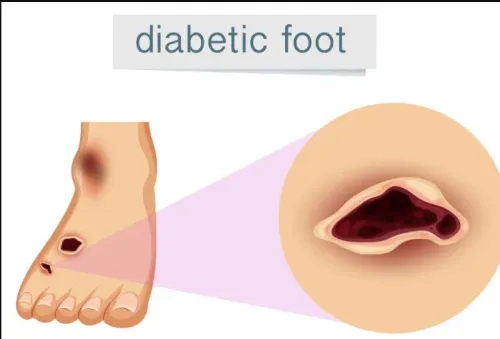
| Diabetic foot lump, ulcer, abscess, or infected tissue | General surgeon with diabetic-foot, vascular, infectious-disease, or orthopaedic input | Removing the visible mass alone can miss poor blood flow, neuropathy, deep infection, or pressure damage |
A lump excision specialist is defined by this pathway, not by the phrase in an advertisement. Ask who will assess the lump, who will perform the procedure, and what happens if pathology shows cancer. Do not judge a lump from its feel alone.
Match the facility to the procedure’s risk
Choose the least complex setting that still has the equipment and backup your lump requires. A small, superficial lump that appears clinically benign can often be removed under local anaesthesia in an outpatient procedure room. Deep, large, vascular, infected, fixed, recurrent, or potentially malignant masses need a hospital with imaging, anaesthesia, pathology, and inpatient support.
| Option | Best suited to | Main limitation |
|---|---|---|
| Multispecialty hospital | Deep, large, painful, fixed, rapidly growing, infected, or anatomically complex masses | Higher cost and more coordination |
| Day-surgery centre | Planned excision of a superficial or moderate-risk lump when anaesthesia and recovery support are available | Limited emergency and inpatient backup |
| Outpatient surgical clinic | Small, superficial, clinically benign lesions removable under local anaesthesia | Not suitable for uncertain diagnosis, major bleeding risk, or deep masses |
| Diagnostic facility | Ultrasound, imaging, needle sampling, or preoperative assessment | It usually does not provide definitive lump excision or surgical backup |
Do not arrange routine surgical lump removal near me for a lump larger than about 5 cm, deep to the fascia, rapidly enlarging, painful, fixed, or recurrent after removal. Ask for specialist assessment before any incision; suspected sarcoma needs planned imaging and referral, not casual day-case excision.
Before accepting a quote for lump excision surgery in Mumbai, confirm whether it includes the surgeon, anaesthetist, operating room, imaging, pathology, dressings, and follow-up. Every removed lump should normally go for histopathological examination, and treatment after an unexpected result is usually charged separately.
Compare observation, drainage, biopsy, and complete excision
Complete excision is right when examination and imaging suggest a benign, removable lump and removal will not endanger nearby structures. Another approach is safer when the diagnosis is uncertain, infection is active, or the mass may require planned cancer surgery.
| Option | What it means | When it applies |
|---|---|---|
| Observation | Monitor the lump with scheduled review and imaging | A small, stable, confidently benign lesion causing no symptoms |
| Drainage | Open the collection and release pus or fluid | An abscess needs urgent pressure relief; drainage does not remove an epidermoid cyst wall, so the cyst can recur |
| Biopsy | Remove or needle-sample tissue for laboratory diagnosis | The mass is deep, enlarging, fixed, recurrent, or suspicious for sarcoma or another cancer |
| Complete excision | Remove the lump, often with its capsule, and send it for pathology | A painful, growing, repeatedly infected, or bothersome benign lump can be safely removed in one procedure |
A suspected sarcoma needs specialist imaging and biopsy planning before lump removal surgery in Mumbai. An unplanned excision can spread tumour cells through tissue planes and force more extensive surgery later.
Ask how the scar, anaesthesia, nerve or vessel risk, recurrence risk, and pathology result will affect your choice. For a diabetic foot lump, ulcer, or abscess, infection, blood flow, sensation, glucose control, and wound care must be addressed before removing only the visible mass.
Verify the surgeon, pathology plan, fees, and follow-up
Do not pay a deposit until the surgeon explains who will operate, what happens to the removed tissue, and what the quoted fee excludes.
1. Verify the operating doctor’s registration number and surgical credentials. Ask who will assess the lump, whether imaging is needed, and what happens if the mass is deep, vascular, recurrent, or suspicious. A genuine surgical plan includes referral to a suitable cancer or specialist team when the diagnosis exceeds the clinic’s expertise.
2. Ask whether the plan is complete excision, drainage, or biopsy. Drainage releases pus but leaves an epidermoid cyst wall behind, so the cyst can return. Confirm that the entire specimen will be labelled and sent for histopathology, and ask when and how you will receive the report.
3. Request an itemised written estimate for lump excision surgery in Mumbai. Check whether it includes consultation, imaging, surgeon and anaesthetist charges, operating-room use, medicines, dressings, pathology, and follow-up. Ask what an unexpected diagnosis, additional procedure, or hospital admission would cost.
4. Confirm the follow-up schedule before booking surgical lump removal near me. You need clear instructions for wound care, activity, pain, infection warning signs, suture removal, and report review. If you have diabetes or a foot lesion, ask for glucose, circulation, infection, medication, and wound-care planning rather than isolated removal.
Dr Khyati Shroff Surgical Clinic -laser Proctocare can be one option to assess, provided you confirm these details and the clinic’s pathology and referral arrangements in writing.
Related services
Breast Lump Excision Service Description Breast Lump Excision is a surgical procedure performed to safely remove a lump or abnormal mass from the breast. View service → |
Lump Excision Service A lump or swelling anywhere on the body can cause discomfort, pain, or cosmetic concern. View service → |
Frequently asked questions
Should I book lump excision surgery before a diagnosis?
No. Start with a medical history and physical examination. Ask about ultrasound or other imaging when the lump is deep, large, fixed, painful, recurrent, or near important structures.
How do I choose a lump excision specialist in Mumbai?
Match the specialist to the lump’s location and likely diagnosis. A general surgeon may manage many superficial lumps, while lumps near nerves, vessels, or organs require the relevant specialist.
What facility do I need for lump removal surgery in Mumbai?
Match the facility to the procedure’s risk. A small superficial excision may suit an outpatient procedure room, while deep, large, complex, or high-risk lumps need an appropriately equipped hospital.
What treatment options should I compare with complete excision?
Ask whether observation, drainage, biopsy, or complete excision fits the diagnosis. Drainage treats some fluid-filled infections but does not replace excision or tissue diagnosis when a solid lump requires it.
What should I verify before arranging soft tissue lump surgery in Mumbai?
Verify the surgeon’s qualifications and experience, the pathology plan, anaesthesia and facility charges, possible additional costs, wound-care instructions, and the follow-up schedule.
Related services
Lipoma Excision Surgery Service A lipoma is a soft, fatty lump that develops under the skin. View service → |
Cyst Excision surgery Service Cysts are closed sac-like lumps that can develop under the skin due to blocked glands, infection, or other causes. View service → |
Swelling Excision Service Unusual swelling anywhere on the body can cause discomfort, pain, and concern. View service → |
Keywords