People considering treatment for haemorrhoids often come across the term laser piles procedure. While laser techniques have become an important option in proctology, understanding what the treatment actually involves is more useful than choosing it simply because it sounds advanced.
Laser treatment is not automatically suitable for every patient. The decision depends on the grade, location, symptoms, and clinical findings.
What Is Laser Treatment for Piles?
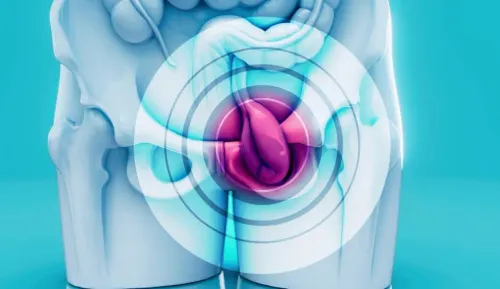
Laser-based procedures use controlled laser energy as part of treating haemorrhoidal tissue. Depending on the technique selected, the objective may be to reduce the blood supply to the haemorrhoid and promote shrinkage of the affected tissue.
Because treatment is targeted, laser procedures may offer advantages for appropriately selected patients.
Potential benefits can include:
- Controlled treatment of haemorrhoidal tissue
- Less tissue trauma in selected techniques
- Reduced postoperative discomfort for some patients
- Shorter recovery compared with certain conventional procedures
- Earlier return to routine activities in suitable cases
Individual recovery still varies.
Who May Be Considered for Laser Treatment?
A surgeon first needs to establish whether the symptoms are actually caused by haemorrhoids.
Evaluation usually considers the severity of bleeding, prolapse, pain, swelling, constipation, and previous episodes.
Patients with persistent or recurrent piles that have not responded adequately to conservative management may be assessed for procedural options.
Laser Does Not Replace Proper Diagnosis
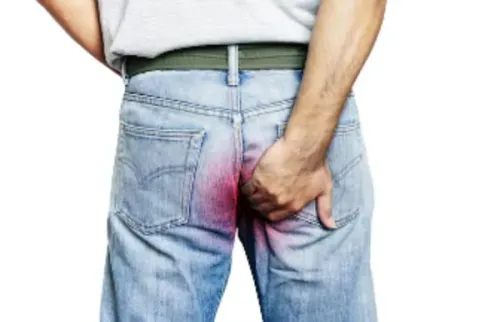
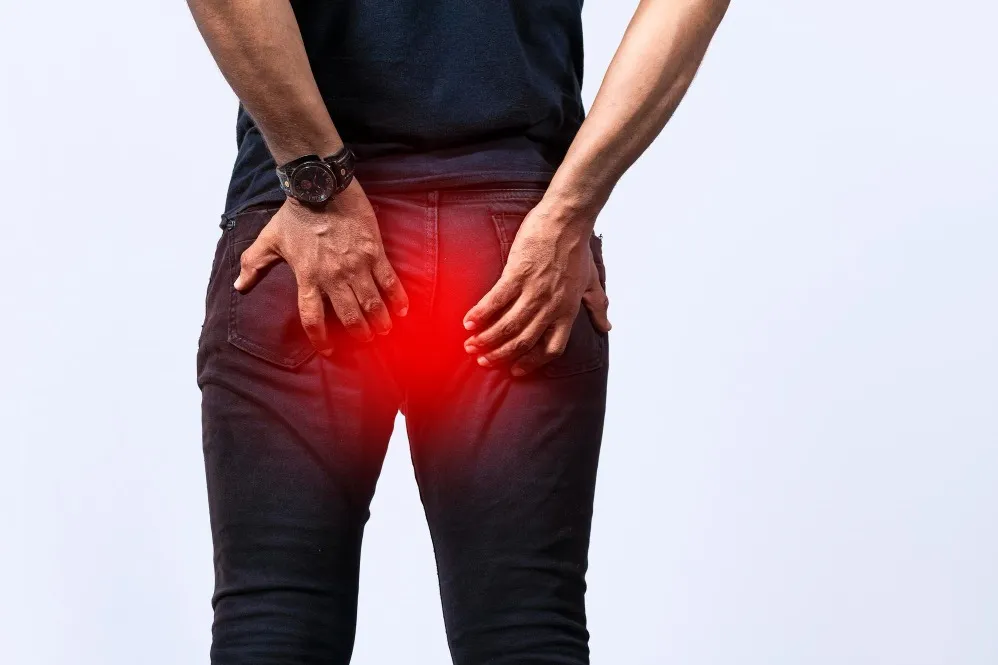
Rectal bleeding should never automatically be labelled as piles. Anal fissures, fistulas, polyps, inflammation, and other colorectal conditions can sometimes produce overlapping symptoms.
This is why clinical examination matters before deciding on treatment.
A consultation at Dr Khyati Shroff Surgical Clinic - Laser Proctocare can help establish the diagnosis and determine whether a laser procedure or another treatment approach is more appropriate.
Recovery After a Laser Piles Procedure
Patients frequently want to know how quickly they can return to work.
Recovery depends on the extent of disease, procedure performed, general health, bowel habits, and individual healing response. Following postoperative instructions is particularly important.
Patients may be advised to focus on:
- Adequate hydration
- Fibre-rich meals
- Avoiding constipation
- Taking prescribed medication correctly
- Maintaining appropriate hygiene
- Attending recommended follow-ups
For patients around Parel, Lower Parel, Lalbaug and central Mumbai, Maharashtra, having surgical care within accessible distance can also simplify postoperative reviews.
Laser technology can be useful in modern piles management, but successful treatment starts with correct patient selection. Rather than asking whether laser is universally better, patients benefit more from finding out which procedure best matches their specific type and grade of haemorrhoids.
Keywords