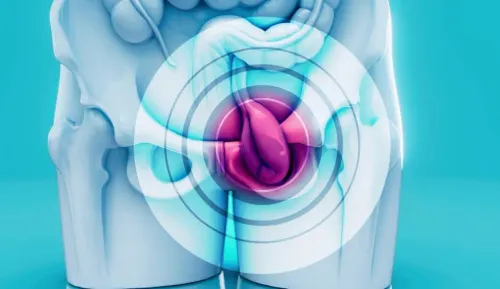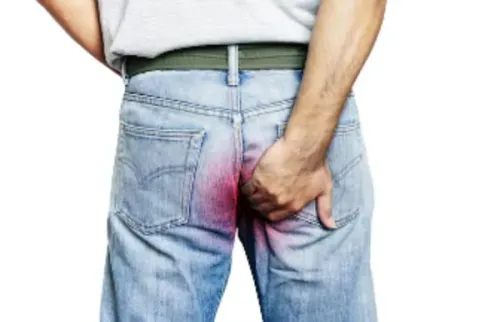
A sharp or burning pain during bowel movements is one of the most recognisable signs of an anal fissure. Some patients describe the pain as feeling like a cut, and it may continue for minutes or even hours after passing stools.
A fissure specialist can assess whether the problem is an acute tear that may respond to conservative management or a chronic fissure requiring additional treatment.
What Is an Anal Fissure?
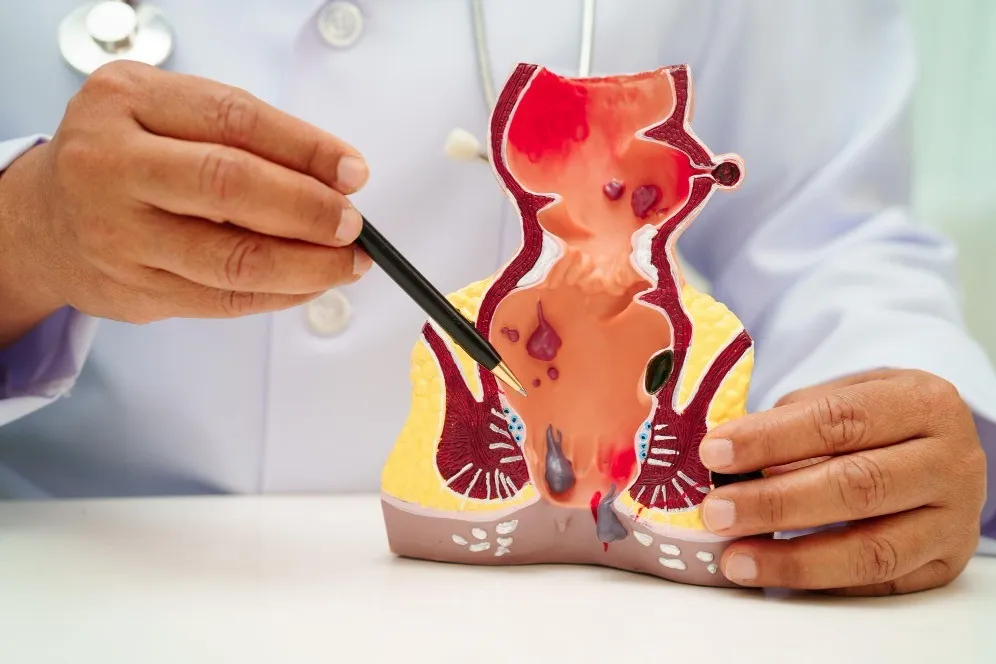
An anal fissure is a small tear in the lining of the anal canal.
Hard or large stools are a common trigger. Once a tear develops, pain may cause the anal muscles to tighten. This can make bowel movements more uncomfortable and may interfere with healing.
Common symptoms include:
- Sharp pain during stools
- Burning pain afterward
- Bright red blood on toilet paper
- Fear of passing stools because of pain
- Constipation
- A visible crack near the anal opening
- Recurrent symptoms after hard stools
Not every patient experiences all these symptoms.
Why Do Some Fissures Keep Returning?
Constipation is one major reason. When hard stools repeatedly pass through the anal canal, a healing fissure may reopen.
Chronic fissures can also involve persistent muscle spasm and reduced local blood flow, making spontaneous healing more difficult.
Simply treating the pain without correcting bowel habits may therefore result in recurring episodes.
How Are Anal Fissures Managed?
Treatment depends on how long the fissure has been present and how severe the symptoms are.
Initial management may involve increasing fibre and fluid intake, improving stool consistency, prescribed medication, and measures to relax the affected area.
When a fissure becomes chronic or fails to respond adequately, further treatment may be discussed.
Dr Khyati Shroff Surgical Clinic - Laser Proctocare provides evaluation for patients experiencing persistent fissure symptoms and other anorectal complaints.
When Should You See a Specialist?
An examination becomes particularly important when severe pain continues, bleeding recurs, symptoms have lasted several weeks, or repeated episodes interfere with daily life.
Residents of Sewri, Lalbaug, Parel and nearby Mumbai, Maharashtra localities can benefit from timely assessment rather than repeatedly treating the symptoms without confirming the diagnosis.
An anal fissure is often treatable, but delaying care can allow an acute problem to become chronic. Keeping stools soft, avoiding excessive straining, and getting persistent pain evaluated are practical steps toward breaking the cycle of pain and recurrence.
Keywords