Rectal bleeding, anal pain, swelling, discharge, and changes around the anus do not all point to piles, and choosing a laser procedure before confirming the diagnosis can delay the right care. You will learn how a Mumbai consultation works, which symptoms need urgent assessment, how treatments compare, and what to ask before booking a procedure.
Key takeaways
- Seek urgent care for heavy bleeding, fever, severe pain, or a painful swelling.
- Confirm whether symptoms come from piles, a fissure, fistula, abscess, or another condition.
- Ask how each treatment affects recovery time, wound care, and continence.
- Take symptom duration, medicines, medical records, and previous reports to your consultation.
What a minimally invasive proctology consultation actually covers
Minimally invasive proctology in Mumbai is a diagnostic and treatment pathway, not one operation. An outpatient consultation identifies the cause before anyone recommends medicines, an office procedure, or surgery.
Tell the clinician about:
- Bleeding, pain, prolapse, discharge, constipation, and any change in bowel habit
- Previous abscesses, childbirth injury, anal surgery, inflammatory bowel disease, or family history of bowel cancer
- All medicines, including blood thinners, and whether you have diabetes
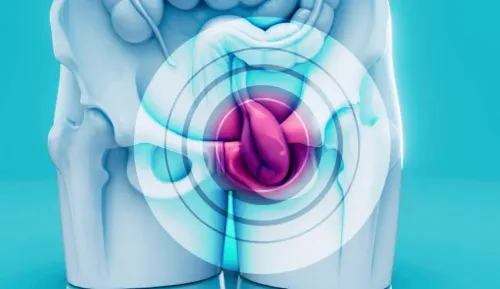
The examination starts with inspection of the perianal skin for swelling, wounds, openings, rashes, or pilonidal disease. A digital rectal examination is performed when appropriate. Anoscopy or proctoscopy then allows the clinician to view the anal canal and lower rectum.
Piles are only one possibility. Fissure, fistula, abscess, pilonidal disease, rectal bleeding, anal pain, inflammatory bowel disease, and other complaints require different diagnoses and treatments.
Further tests depend on the findings. Ultrasound or MRI pelvis helps map a suspected complex fistula or recurrent disease. Blood tests look for anaemia and other problems. Colonoscopy enters the plan for persistent bleeding, iron-deficiency anaemia, weight loss, altered bowel habit, cancer risk, or unclear findings.
A reassuring external examination does not explain bleeding that continues.
When anorectal symptoms need urgent care
Heavy or persistent rectal bleeding needs urgent assessment, especially with black or tarry stools, dizziness, or fainting. Go urgently for fever with anal pain or swelling, pus, rapidly worsening pain, or difficulty passing urine; these signs can indicate infection, obstruction, or significant blood loss.
An abscess usually needs prompt drainage. In a suitable patient, antibiotics alone do not replace opening and draining the collection; delaying treatment can allow infection to spread or create a fistula. Do not wait for a routine appointment if pain and swelling are escalating.
A routine appointment suits intermittent bright-red bleeding without systemic symptoms, recurring prolapse, chronic itching, or fissure-like pain that is stable rather than rapidly worsening. Persistent bleeding is not automatically piles. Ask about colorectal assessment or colonoscopy if you have:
- Iron-deficiency anaemia, unexplained weight loss, a new bowel-habit change, or a rectal or abdominal mass
- An age or family-risk profile linked to colorectal cancer
- Bleeding that continues, recurs, or has no clear examination-based cause
A search for “proctologist near me” can find clinics, but choose urgent assessment based on symptoms, not convenience. Same-day discharge describes the planned length of stay; it does not rule out bleeding, infection, urinary retention, or the need for follow-up.
How doctors match piles and fissure treatment to the problem
Fibre, adequate fluids, constipation treatment, avoiding straining, and limiting toilet sitting usually come before a procedure for haemorrhoids. The choice then depends on location, grade, prolapse, external components, recurrence, and response to care—not on whether a device is marketed as laser.
| Option | What it means | When it applies |
|---|---|---|
| Conservative care | Stool-softening measures and bowel-habit changes | First choice for many symptomatic haemorrhoids and acute fissures |
| Office treatment | Rubber-band ligation, injection, or infrared treatment | Selected internal grade I–III haemorrhoids; smaller internal disease suits injection or infrared treatment |
| Surgery | Operative removal or repair | Advanced prolapse, large external components, recurrent symptoms, or failed office care |
Rubber-band ligation treats selected internal haemorrhoids, not an external haemorrhoid as the usual approach. Discuss bleeding, pain, difficulty passing urine, and rare serious infection before banding, and obtain clear instructions for urgent review.
An acute fissure often settles with stool-softening, fibre, and fluids. A chronic fissure may need topical glyceryl trinitrate or a calcium-channel-blocker preparation, sometimes botulinum toxin; lateral internal sphincterotomy is considered when medical treatment fails or symptoms persist.
That operation requires a continence-risk discussion. Previous childbirth injury, existing leakage, or anal surgery can change the balance because cutting the sphincter may alter continence.
Laser piles treatment is not the best fit for every grade, external component, prolapse pattern, or diagnosis. Minimally invasive anorectal surgery in Mumbai still requires anatomical assessment, and can involve anaesthesia, bleeding, urinary retention, infection, pain, and follow-up.
Fistula and abscess treatment: protecting healing and continence
An anal fistula often develops after an abscess drains but leaves a tunnel from the anal canal to the skin. The internal opening, track depth, side branches, previous recurrence, and amount of anal sphincter crossed determine the safest treatment. Drain an active abscess first; plan definitive fistula treatment after inflammation settles.
| Option | Main approach | Typical role and trade-off |
|---|---|---|
| Fistulotomy | Opens the entire track to heal from the base | Selected low, simple tracks; reliable healing, but cutting sphincter muscle can threaten continence |
| Seton | A thread keeps the track draining | Abscess drainage, complex tracks, or staged treatment when sphincter protection matters |
| Advancement flap | Covers the internal opening with rectal tissue | Selected deeper or complex fistulas; preserves sphincter but can need further treatment |
| LIFT | Closes the track between sphincter muscles | Selected trans-sphincteric fistulas; sphincter-sparing, with less predictable healing than fistulotomy |
| Laser closure | Treats the track through a small access point | Suitability depends on anatomy; discuss actual healing, recurrence, and failure plans rather than accepting a promise |
Sphincter-preserving procedures can protect continence, yet they may heal less reliably or require another intervention compared with fistulotomy. Laser is not automatically safer or better. Pilonidal disease is separate from anal fistula and needs its own examination.
Minimally invasive anorectal surgery in Mumbai can still require local, regional, or general anaesthesia, with possible pain, bleeding, urinary retention, infection, and follow-up after discharge.
How to choose a proctology clinic in Mumbai and prepare for care
A “proctologist near me” search gives you location, not proof of competence. Verify the doctor in the National Medical Commission’s Indian Medical Register, then compare these points before booking a proctology clinic in Mumbai.
| Clinic check | What to verify |
|---|---|
| Training | Relevant surgical and proctology training |
| Experience | Number and type of proposed procedures performed |
| Hospital access | Admitting privileges and emergency arrangements |
| Anaesthesia | Who provides it, and where complications are managed |
| Follow-up | Review schedule, wound checks, and after-hours contact |
Before consenting to laser, stapled, or other minimally invasive treatment, ask:
- What exact anatomical problem is being treated?
- What grade or complexity does it have?
- Is there an abscess or internal fistula opening?
- What are the recurrence, continence, bleeding, and re-treatment risks?
- What happens if the procedure fails?
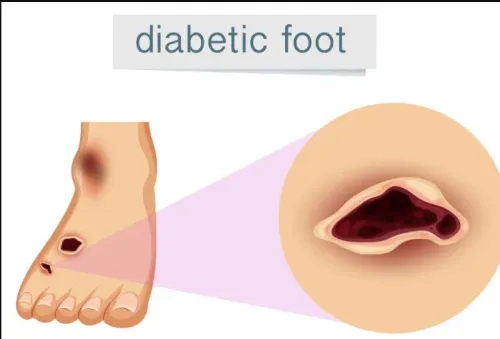
“Laser” does not answer these questions. Prepare your medication list, previous reports, allergy history, diabetes records, and details of prior anorectal surgery. Ask how glucose control affects medication adjustment, wound care, and infection risk; diabetic-foot care follows a different assessment pathway from anorectal surgery.
Dr Khyati Shroff Surgical Clinic -laser Proctocare can be considered when its consultation covers diagnosis, procedure selection, aftercare, and urgent access—not simply the word laser. Confirm whether care is local, regional, or general anaesthesia, and whether same-day discharge still includes bleeding, urinary-retention, infection, and follow-up instructions.
Related services
Minimally Invasive Proctology Service Description Minimally Invasive Proctology focuses on the advanced, painless treatment of anorectal conditions using modern laser and... View service → |
Laser Fistula Treatment – Service Description Laser Fistula Treatment is an advanced, minimally invasive procedure used to treat anal fistula with greater... View service → |
Frequently asked questions
What does a minimally invasive proctology consultation in Mumbai cover?
A consultation reviews your symptoms, bowel habits, medical history, medicines, and previous reports. The doctor examines the area and recommends tests or treatment only after identifying the likely cause.
When do anorectal symptoms need urgent care?
Seek prompt medical attention for heavy or persistent bleeding, fever with anal pain, rapidly increasing swelling, pus, dizziness, or difficulty passing urine or stool.
How are piles and anal fissures treated?
Treatment depends on the diagnosis, symptom severity, duration, and response to earlier care. A doctor may recommend bowel and lifestyle measures, medicines, an office procedure, or surgery.
How are anal fistulas and abscesses treated?
An abscess usually requires drainage, while a fistula requires a plan that treats the tract while protecting the anal sphincter and continence. Ask about wound care, follow-up, and expected healing.
How should you choose a proctology clinic in Mumbai?
Check the surgeon’s relevant training, examination process, available diagnostic and treatment options, anaesthesia arrangements, follow-up plan, emergency contact process, and transparent cost estimate.
Related services
Laser Fissure Surgery Service Description Laser Fissure Surgery is a modern, minimally invasive treatment designed to effectively manage chronic and painful anal fissures. View service → |
Laparoscopic Appendectomy Service Description Laparoscopic Appendectomy is a minimally invasive surgical procedure performed to remove the appendix in cases of acute or... View service → |
Keywords