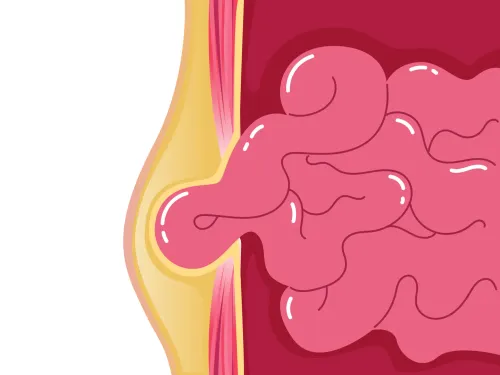
A hernia may begin as a small bulge that appears while coughing, standing, exercising, or lifting something heavy. Although some hernias remain relatively comfortable for a period, they do not generally repair themselves.
Choosing a qualified hernia surgeon involves more than searching for the nearest clinic. Patients should understand their diagnosis, available surgical approaches, and what recovery will involve.
Start With the Type of Hernia
Several types of hernias can affect the abdominal wall.
Common examples include:
- Inguinal hernia in the groin
- Umbilical hernia around the navel
- Incisional hernia at a previous surgical scar
- Femoral hernia near the upper thigh
- Recurrent hernia after previous repair
The location, size, symptoms, and previous operations can influence treatment.
What Should You Ask the Surgeon?
A useful consultation should help you understand the condition rather than leave you with only a procedure name.
Consider asking:
- What type of hernia do I have?
- Does it require surgery now?
- Is open or laparoscopic repair suitable?
- Will mesh be required?
- What activity restrictions will follow surgery?
- When can I return to work?
- What symptoms would require urgent attention?
The answers should be specific to your case.
Open and Laparoscopic Hernia Repair
Both approaches have established roles.
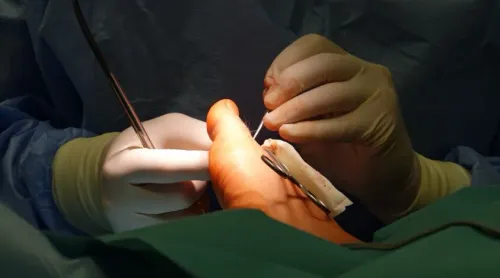
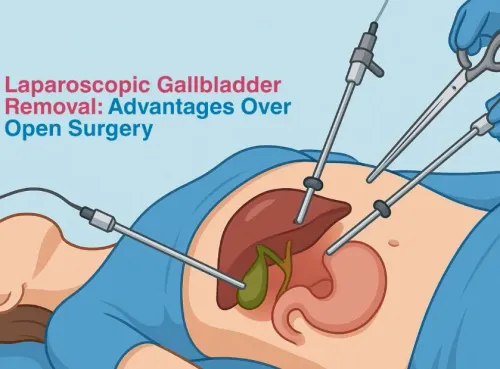
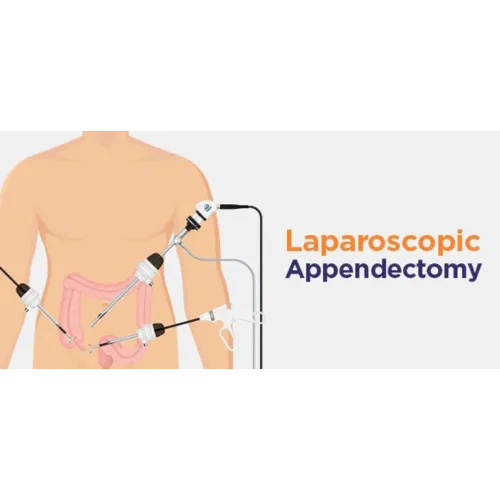
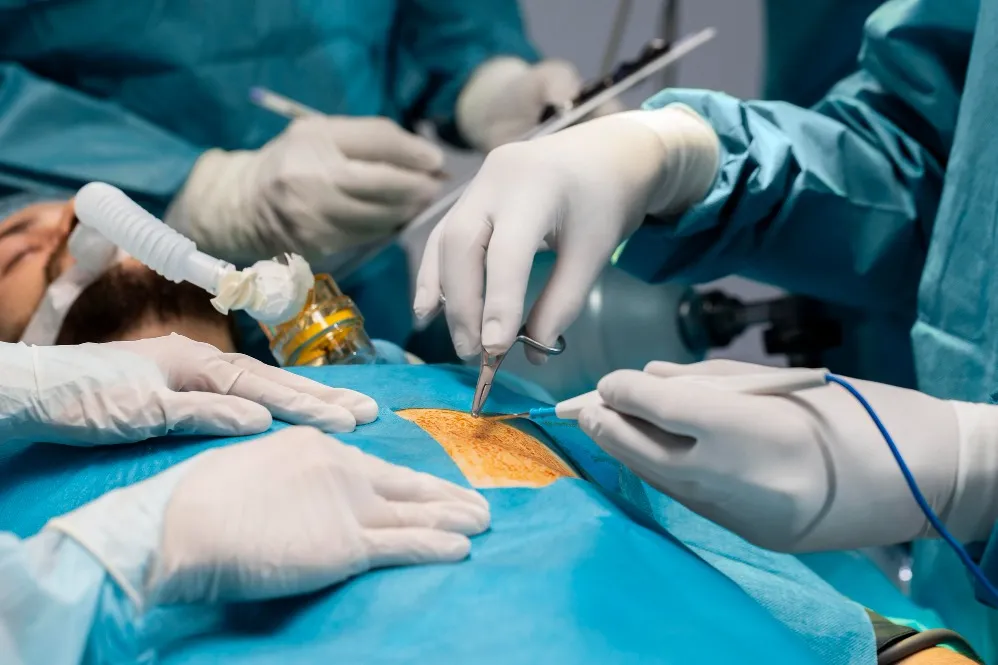
Open repair uses an incision over or near the hernia. Laparoscopic repair is performed through smaller abdominal incisions using specialised instruments and a camera.
The best approach can depend on the type of hernia, whether it is present on one or both sides, previous abdominal surgery, recurrence, and overall medical condition.
At Dr Khyati Shroff Surgical Clinic - Laser Proctocare, patients can be evaluated to determine the nature of the hernia and discuss an appropriate surgical plan.
Local Access and Follow-Up Matter
Hernia care does not end when the operation is completed. Follow-up, wound assessment, gradual return to physical activity, and guidance about lifting are also important.
For patients in Parel, Sewri, Lower Parel and surrounding areas of Mumbai, Maharashtra, accessible follow-up can make postoperative care more manageable.
Seek prompt medical attention if a hernia suddenly becomes very painful, cannot be pushed back, is associated with vomiting, or the overlying skin changes colour.
A good hernia treatment decision combines an accurate diagnosis with an appropriate surgical technique and realistic recovery guidance. Those factors matter more than choosing a procedure based solely on advertising or assumptions about incision size.
Keywords